MMAIATEX gas detection and Ex equipment guides published today
MMAIATEX published the three pages in a fixed editorial sequence so each resource can answer a separate buyer question. The first defines what a new gas-detection standard covers. The second separates non-electrical ignition-hazard assessment from electrical Ex protection. The third turns plug-and-socket selection into a pair-specific evidence checklist.
| New English resource | Primary buyer question | Important boundary |
|---|---|---|
| IEC 60079-29-0 gas detection guide | Which FL, O2 and TX equipment types fall inside the 2025 standard? | A standard scope does not select detector location or certify a product |
| ISO 80079-36 non-electrical Ex guide | What evidence supports equipment with its own potential non-electrical ignition source? | The published 2016 edition remains current while a revision is under development |
| Plug and socket FAQ | Which records prove that two accessories form a suitable hazardous-area pair? | Dimensional compatibility and an IP rating do not prove Ex scope or cross-brand mating approval |
1. Gas detection equipment scope for industrial buyers
The new IEC 60079-29-0 gas detection equipment buyer guide explains the FL, O2 and TX equipment families named on the official IEC page. It also records key exclusions, including equipment used only for process monitoring, laboratory analysis, domestic use or environmental air-pollution monitoring.
The guide is designed to prevent a common specification error: treating every device that measures gas as protective gas-detection equipment under the same standard. It asks buyers to document the intended protective function, exact equipment type, hazardous-area evidence, performance records, installation interfaces and lifecycle controls. It does not give detector-spacing rules, alarm setpoints or a site-specific safety design.
2. Non-electrical Ex equipment and ignition evidence
The ISO 80079-36 non-electrical Ex equipment guide explains why pumps, fans, gearboxes, couplings and other mechanical equipment cannot be assessed only through electrical protection concepts. It focuses on equipment with its own potential ignition sources and on the controlled ignition-hazard assessment that supports the selected protection measures.
The page records the official lifecycle position as reviewed on September 17, 2026. ISO 80079-36:2016 remains the published standard, its 2019 corrigendum applies, and a committee draft is under development. The draft is not presented as an effective replacement. The guide also explains how ISO 80079-37 relates to constructional safety c, control of ignition sources b and liquid immersion k.
3. Twelve plug-and-socket selection answers
The explosion-proof plug and socket selection FAQ answers 12 direct procurement questions. It covers approved mating pairs, complete Ex marking, gas and dust scope, voltage, current, poles, interlocking, cable entries, IP ratings, certificate records, installation and damaged equipment.
The page also notes the August 2026 corrected version of IEC 60309-2:2021. Dimensional compatibility under the industrial plug-and-socket series does not create an Ex certificate or prove that accessories from different manufacturers can be combined. The exact pair, certificate schedule and current instructions must support the decision.
How to use the three resources together
Start with the function and hazard, then build the evidence record around the exact equipment. A gas-detection function needs the correct equipment-type and performance basis. Mechanical equipment needs its ignition sources and protection measures assessed. A detachable electrical connection needs both halves of the pair and every interface verified.
Across all three topics, buyers should record the legal manufacturer, exact model and suffix, complete marking, current certificate or assessment documents where applicable, instructions, environmental limits, installation basis and controlled changes. The earlier MMAIATEX guide to verifying IECEx certificates and ATEX documents provides a related identity and status workflow. It cannot replace the technical review for these new topics.
Real image and current MMAIATEX certification status
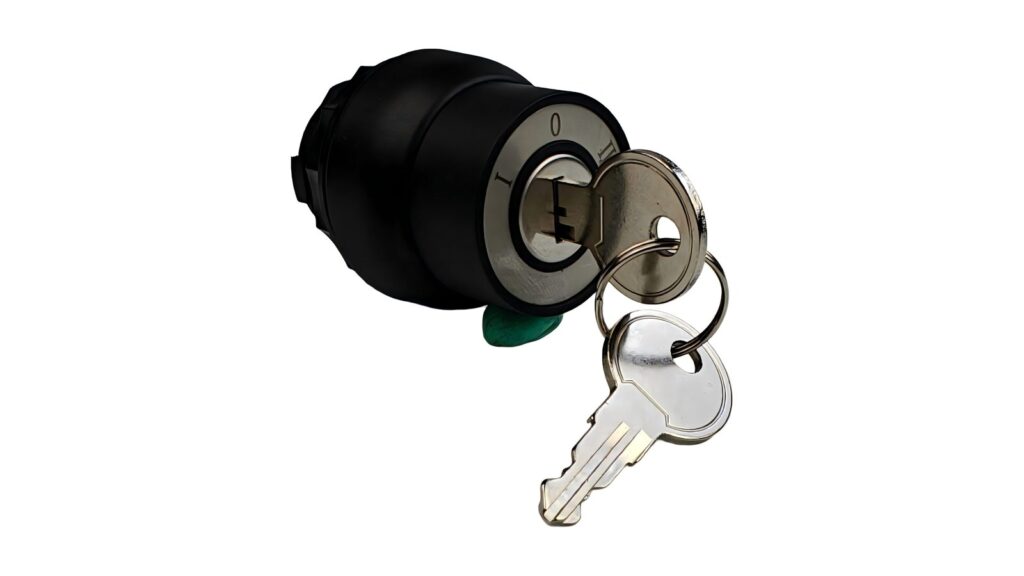
Each page uses a different real product photograph from the MMAIATEX WordPress media library. The images are representative industrial context only. The gas-detection page does not show a detector, the non-electrical page does not identify the pictured item as non-electrical Ex equipment, and the FAQ does not show an electrical plug or receptacle. The captions state those limits and direct readers to exact marking, certificate scope and current documentation.
MMAIATEX is the public brand of MMAIATEX Explosion-proof Technology (Zhejiang) Co., Ltd. The public About page states that ATEX, IECEx and CCC certification work is in progress. Publication of these guides does not announce completed certification, extend a certificate, prove model suitability or approve an installation.
Safety and legal disclaimer
These resources are general procurement information, not a gas-hazard assessment, ignition-hazard assessment, area classification, certificate, product approval, installation design, inspection result or legal opinion. Fire, explosion, toxic exposure, asphyxiation and electrical hazards can cause injury or death. Use current licensed standards, exact product documents, applicable law and competent professionals. Stop work when identity, duty, marking, pairing or evidence is uncertain.
Contact MMAIATEX for a document request
Send the equipment type, exact duty, area classification, required EPL or category, environment, electrical or mechanical interfaces, destination and document list so MMAIATEX can organise available product information for competent review.