
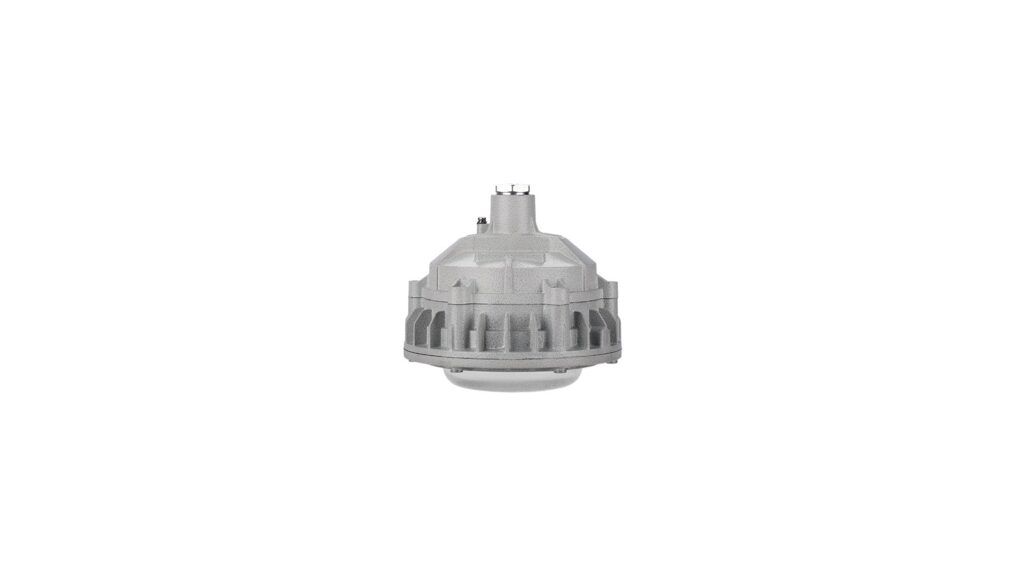
Image note: The representative website luminaire photograph is not a color measurement or proof of a particular CCT or CRI. Verify exact model marking, certificate scope and current documentation.
CCT vs CRI: separate appearance from fidelity
The U.S. Department of Energy's CCT explanation relates a lamp's apparent light color to a reference source and expresses CCT in kelvin, K. That number describes light appearance, not how hot the luminaire enclosure becomes.
DOE's LED basics distinguishes light color appearance from color fidelity. It also explains that CRI has limitations, including its treatment of saturated red, and identifies R9 and TM-30 as ways of providing additional color information. A single headline value therefore does not describe every aspect of how a source renders objects.
The purchasing implication is straightforward: do not ask one number to answer two questions. Record the requested light appearance separately from the evidence needed for the visual task. A clear requirement is more useful than an undefined request for good light quality.
Keep the enquiry fields separate
This table is a suggested way to organise a quotation review, not a prescribed lighting specification.
| Field | Question for the supplier or designer | Do not infer |
|---|---|---|
| CCT | Which light appearance is offered, and for which option? | Enclosure surface temperature or Ex temperature class |
| CRI | Which color-fidelity value is declared and on what basis? | Performance for every individual color or task |
| Additional color information | Is further evidence needed for the project's visual work? | That an unavailable metric has a satisfactory value |
| Output and distribution | Which data supports the lighting calculation? | Adequate task lighting from color figures alone |
| Ex documentation | Which exact construction and protection scope are documented? | Approval based on a lighting-performance claim |
A comparison sheet should leave unavailable information marked as unresolved. Do not fill a blank CRI field with a value from another wattage, another optical option or a general family brochure without a documented relationship.
Describe what people need to see
Begin the brief with the work, not a preferred catalogue number. Is the proposed lighting for general access, reading identification labels or a task involving color comparison? Ask the responsible project reviewer to define the relevant criteria. This article does not prescribe a universal CCT or minimum CRI for hazardous areas.
For a color-sensitive task, describe the objects and the decision being made. An enquiry that says operators compare these marked samples gives the designer something specific to evaluate. A request that only says brighter white leaves the task, acceptance criteria and evidence unclear.
Also distinguish a preference from a requirement. If maintaining the appearance of an existing area matters, record what is known about the existing lighting and what is still only an impression. Do not assume that a remembered description such as cool white identifies an exact specification.
Connect every value to the offered configuration
Ask for a model and option reference alongside the color data. The response should make clear which quoted version the information describes. Keep any report reference, revision and stated measurement conditions with the value instead of copying only the number into a purchasing spreadsheet.
Where a supplier provides family-level information, request an explanation of its relationship to the offered construction. The purchasing question is not whether two housings look alike; it is whether the documentation supports the particular comparison being made.
Our photometric data FAQ addresses the separate handoff of lighting files and reports. This guide focuses on interpreting color information before that handoff. Neither article supplies a measured result for a MMAIATEX model.
Do not approve color from a product photograph
A catalogue photograph can help identify a product family, but it is not a color-performance report. Do not assign a CCT or CRI to the pictured luminaire by looking at the cover, housing or apparent light color in an image. Request the corresponding technical information.
If a sample evaluation is proposed, agree beforehand what it is intended to establish and who will judge it. A preference demonstration should not quietly become acceptance of a safety-critical visual task. Keep the documented assessment separate from informal comments about whether the light looks pleasant.
Record changes before accepting a revised offer
When a quotation changes, ask whether the previously supplied color information still describes it. Record the supplier's answer and the document revision rather than carrying an old value forward automatically. This is especially useful when several people handle the enquiry at different times.
If operating controls are part of the proposal, identify the intended arrangement in the enquiry. The lighting dimming FAQ provides questions for that separate control review. Do not use a satisfactory answer about color to close an unresolved control or configuration question.
Keep explosion protection on its own evidence path
An attractive light appearance does not establish hazardous-area suitability. Review the exact model's marking, certificate scope and instructions through the certificate-verification guide. CCT expressed in K is not an alternative way of stating an Ex temperature class.
For the broader selection brief, the explosion-proof LED lighting FAQ covers the surrounding purchasing questions. Keep the lighting review and the explosion-protection review identifiable so that neither conclusion is mistaken for the other.
Source scope and limits
The DOE sources support general lighting terminology. The FEMP page is used here only for the CCT definition, not for its dated acquisition rules, savings examples or product recommendations. The enquiry fields and review sequence above are original editorial suggestions. They do not set a workplace lighting standard or certify any product's performance.
Current MMAIATEX certification status
MMAIATEX is the public brand of MMAIATEX Explosion-proof Technology (Zhejiang) Co., Ltd. On the review date, the company's About page describes ATEX, IECEx and CCC certification as in progress. This is an attributed website statement, not independent verification of a model's current certificate. No CCT, CRI or certification result is claimed for the representative product pictured here.
Safety disclaimer
This is general purchasing information, not a lighting design, visual-task assessment or permission to install equipment. Competent project reviewers must establish the applicable criteria and assess the actual selection. Do not change an Ex luminaire's internal components to obtain a different light appearance based on this article.
Contact MMAIATEX
Send the proposed luminaire reference, intended visual task, requested color information and any unresolved document question. Separate a preferred appearance from a confirmed project requirement.