
MMAIATEX ICSMS and SIL guides: find the relevant resource
The new articles address different stages of a document review. One starts with an external public record, another with a claim in an equipment offer, and the third with the identity and purpose of a supplied part. Readers do not need to treat all three as one checklist.
| What you are reviewing | Start with this new resource | Useful output for a colleague |
|---|---|---|
| A public product record or an unexplained search result | ICSMS Product Checks | A traceable record and a clearly stated uncertainty |
| SIL and Ex language appearing in the same specification | SIL vs Explosion-Proof Certification | Separate questions about the evidence behind each claim |
| The closure of an unused enclosure entry | Ex Stopping Plugs: 12 FAQs | An identifiable part and a focused documentation question |
This table is a reading guide, not a product-acceptance matrix. Its purpose is to direct a reader to the article that addresses the immediate question without implying that reading it completes an engineering assessment.
Industry Insights: keep public-record findings in context
ICSMS Product Checks: A Guide for Ex Equipment Buyers introduces a public European market-surveillance resource and its limits. It explains why a record needs careful identity matching and why an unsuccessful search must not be rewritten as approval.
For purchasing and compliance colleagues, the useful part is the proposed review note: retain the product reference, source link, date, search terms and unresolved question. That structure makes it easier for another person to understand what was actually checked. The article reports no finding about a particular supplier or model and does not present ICSMS as a certification database.
Technical Knowledge: keep different safety claims separate
SIL vs Explosion-Proof Certification: Buyer Evidence addresses offers that use functional-safety and explosion-protection terminology together. It distinguishes a device capability statement from evidence about a complete safety function, while retaining the separate question of the product's documented Ex scope.
The resource is intended for readers preparing a technical handover or comparing the evidence supplied with quotations. It includes a claim-comparison table and a short document-control checklist. It does not assign a SIL, calculate system integrity or establish the suitability of a MMAIATEX model. Its value is in clarifying what needs an answer from the responsible reviewer.
FAQs: make unused-entry questions specific
Ex Stopping Plugs: 12 FAQs for Unused Enclosure Entries focuses on a smaller but distinct purchasing question. It organizes twelve answers around closure identification, supporting documentation, substitutions and the receiving record.
Readers can use the question headings to locate the relevant issue before examining the supporting detail. The FAQ distinguishes the intended roles of different supplied parts without providing an installation procedure. It does not approve a substitute, introduce a stopping-plug product range or make a compatibility claim for an unidentified enclosure.
Use one focused handover instead of a collection of links
When sharing a guide internally, explain why it is attached. Include the project reference, the document being discussed and the specific sentence or identifier that needs clarification. A colleague should not have to reconstruct the purchasing question from several unrelated screenshots.
Keep the question and the eventual response together. For example, an uncertainty about a model suffix belongs beside the quotation reference that raised it. A question about the meaning of a safety claim should retain the original supporting document rather than only a copied badge or heading.
The three new resources can help frame those conversations, but they do not supply missing evidence. Treat a useful explanation, an incoming supplier document and a technical acceptance decision as separate items in the record. That distinction remains important even when several departments are working on the same offer.
Source notes and review scope
The linked guides identify their primary references and review date. These include the European Commission's ICSMS explanation and HSE's functional-safety overview, alongside the relevant IEC and IECEx material cited in the individual articles. Readers should follow the source and jurisdiction boundaries stated there.
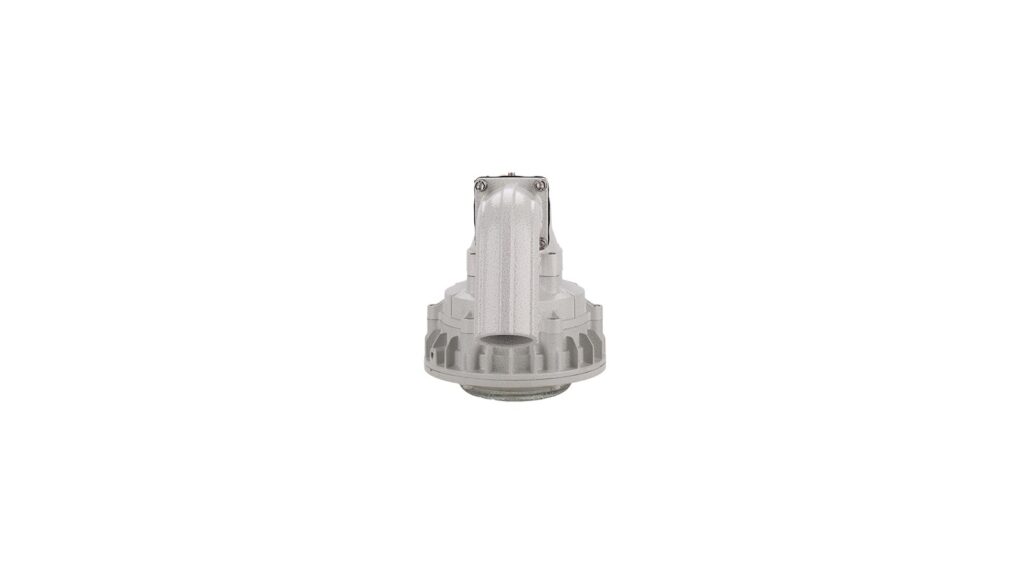
The public articles themselves are the evidence for this publication update. A representative website product photograph illustrates the page; it is not a photograph of a publishing event or proof of any approval.
Current MMAIATEX certification status
MMAIATEX is the public brand of MMAIATEX Explosion-proof Technology (Zhejiang) Co., Ltd. The company's About page currently describes ATEX, IECEx and CCC certification as in progress. Publishing these educational resources does not change or independently verify that statement. No model-specific Ex certificate, SIL capability or completed functional-safety assessment is asserted in this announcement.
Safety and legal disclaimer
This update and the linked guides are educational resources, not legal advice, installation instructions or equipment approval. Applicable law, current product documentation and competent assessment of the actual application remain necessary. Do not use this news article to authorize installation, substitution, energisation or a change to an operating process.
Contact MMAIATEX about product documentation
For a product enquiry, include the proposed model, destination, application description and the document question that remains open. Refer to the relevant guide if it helps identify that question clearly.