
Ex tb vs Ex tc at a glance
IEC 60079-31:2022 covers equipment protected by an enclosure and surface-temperature limitation for use in explosive dust atmospheres. It supplements and modifies the general requirements in IEC 60079-0. Where the two documents conflict, the protection-specific requirements in IEC 60079-31 take precedence.
| Marking element | Protection level | Typical EPL association | Buyer question |
|---|---|---|---|
| Ex ta | Very high dust protection level | Da | Does the complete evidence cover the required Da duty? |
| Ex tb | High dust protection level | Db | Does the exact model and configuration cover the required Db duty? |
| Ex tc | Enhanced dust protection level | Dc | Does the approved project basis permit Dc for this location? |
The letters do not describe product quality. They identify protection levels and construction requirements within the relevant standard. Choosing Ex tb instead of Ex tc, or the reverse, is an engineering and conformity decision tied to the intended location.
Start with the dust hazard, not the enclosure photograph
IEC 60079-10-2:2026 addresses the identification and classification of areas where explosive dust atmospheres and combustible dust layers are present. Its public scope treats dust clouds and dust layers separately. It also explains that effective housekeeping is an assumption in its examples, and that poor housekeeping can allow layers to form explosive clouds and affect area classification.
The equipment supplier should not guess the Zone from the industry, process name or appearance of the installation. The responsible project team should provide the approved Zone 20, 21 or 22 classification and the required EPL. The Zone 20, Zone 21 and Zone 22 guide explains the classification terms. The EPL guide explains Da, Db and Dc without treating Zone and EPL as an automatic substitute for risk assessment.
Read the complete dust marking
A marking such as Ex tb IIIC T85 °C Db contains several independent selection fields. A correct EPL alone does not correct a mismatch elsewhere.
Protection concept and level
Ex tb identifies dust ignition protection by enclosure at the level associated with Db. Ex tc identifies the level associated with Dc. The certificate and instructions must cover the exact construction, not merely a visually similar housing.
Dust group
Group III is divided into IIIA, IIIB and IIIC. The project dust characteristics and approved group must be known. Do not infer dust group from the product category or use a gas group such as IIC as if it were the same field. IIC and IIIC refer to different hazard group systems.
ISO/IEC 80079-20-2:2016 describes combustible-dust test methods used to identify material characteristics for area classification and equipment selection. Supplier marketing text cannot replace representative material data and the responsible classification process.
Maximum surface temperature
Dust equipment commonly states a maximum surface temperature in degrees Celsius. This is not the same notation as gas temperature classes T1 to T6. The permitted value must be assessed against the ignition characteristics of both dust clouds and layers, with the applicable installation rules and safety margins.
The site's ambient temperature is a separate parameter. T85 °C does not mean the equipment is suitable for 85 °C ambient air. Use the marked ambient range and instructions for the exact model. The temperature class and ambient temperature guide explains the distinction.
EPL and additional conditions
Db or Dc indicates the Equipment Protection Level. An X suffix on the certificate number signals Specific Conditions of Use. A U suffix identifies an Ex Component and directs the reader to its Schedule of Limitations. Open the complete controlled certificate rather than interpreting the marking alone.
Enclosure integrity includes entries, seals and assembly details
Protection by enclosure depends on the assessed construction remaining intact. The body, cover, gasket, joints, fasteners, cable entries, glands, adapters, stopping plugs and mounting arrangement can all matter.
IEC 60079-31:2022 added requirements for entry devices with Type of Protection t, including cable transit devices. A buyer should therefore specify cable type, outside diameter, armour or braid, entry thread, entry count, gland material and unused-entry treatment before approving a configuration.
Do not treat IP66 or another ingress rating as an Ex certificate. IP describes enclosure protection against access, solids and water under IEC 60529. Ex tb or Ex tc addresses ignition protection under IEC 60079-31. Both can be relevant, but they answer different questions. The IP66 versus explosion proof guide explains this boundary.
Field drilling, gasket substitution, non-approved stopping plugs, changed fasteners or an unassessed entry arrangement can affect the certified construction. Follow only the options and methods permitted by the exact documentation.
Ex tb vs Ex tc buyer checklist
Before a purchase order is released, confirm:
- the approved dust Zone and required EPL;
- the identified dust and required IIIA, IIIB or IIIC group;
- the dust-cloud and dust-layer ignition data used by the responsible project team;
- the required maximum surface temperature;
- the minimum and maximum ambient temperature;
- the exact model, suffix, material and configuration;
- the complete Ex marking and certificate status;
- every Specific Condition of Use or Schedule of Limitations;
- cable, thread, gland, adapter and stopping-plug details;
- IP, corrosion, UV, washdown, impact and mounting requirements;
- instructions for installation, inspection and maintenance; and
- destination-country and owner requirements.
IEC 60079-14:2024 covers electrical installation design, selection, installation and initial inspection. It requires project and installation decisions beyond the product certificate. Selection should remain under the control of competent personnel with the site classification and current equipment documentation.
Current MMAIATEX certification status
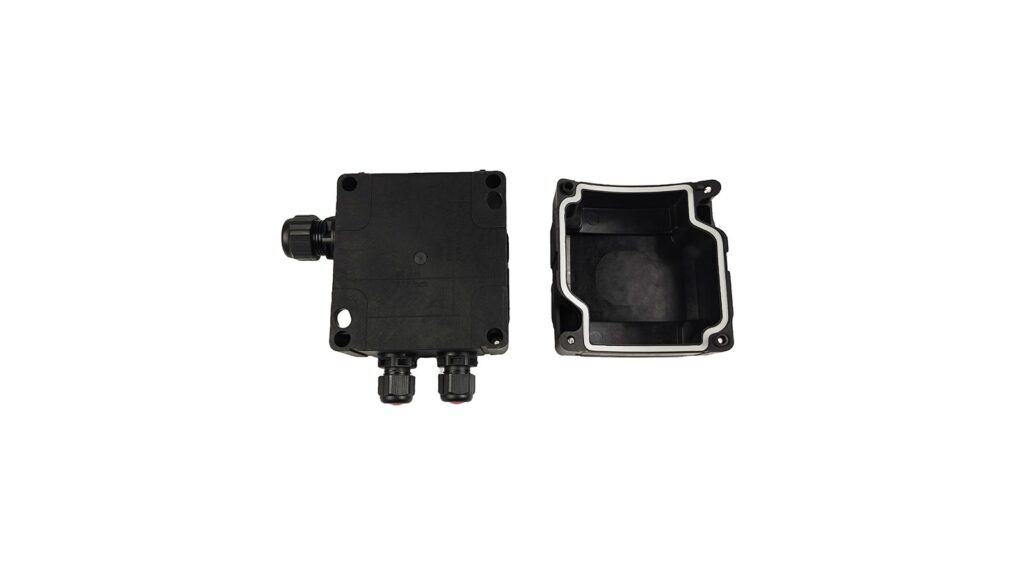
The public MMAIATEX About page states that ATEX, IECEx and CCC certification work is in progress. This article and its representative photograph do not establish Ex tb, Ex tc, Db, Dc or Group IIIC certification for a particular MMAIATEX product, model or configuration.
Request the current model-specific documentation and verify the exact marking, certificate number, holder, status, issue, scope, conditions, ambient limits, entries and instructions through the applicable official system.
Safety disclaimer
This article provides general marking and purchasing information. It is not a combustible-dust test, area classification, risk assessment, certificate, installation design or engineering approval. Combustible dust can create fire, explosion and health hazards that extend beyond equipment selection.
Classification, selection, installation, inspection, operation, maintenance and modification must be controlled by competent personnel using representative material data, site-specific conditions, current law and the exact equipment evidence.
Request an exact dust-duty review
Send MMAIATEX the approved dust Zone, required EPL, dust group, maximum surface temperature, ambient range, cable and entry plan, environmental duty, destination and required documentation. The team can identify potentially relevant product information for the responsible buyer or engineer to assess.