Ex equipment cleaning requirements: define the document gap
This FAQ helps buyers and maintenance planners assemble a clear enquiry. It does not describe how to clean energized equipment, remove combustible deposits or open an enclosure. The suggested records are a purchasing aid, not a mandatory form reproduced from a standard. Keep the manufacturer's equipment limits separate from the employer's controls for the work activity.
1. Which documents should I obtain before arranging cleaning?
Start with the exact manufacturer's instructions, equipment identity, relevant marking and any conditions attached to its documentation. Describe what is to be removed and the part of the equipment affected. Ask for confirmation when an instruction cannot be matched to the installed variant. Our Ex marking guide helps organize identity information; it does not replace the equipment manual.
2. Does an IP rating authorize pressure washing or chemicals?
No blanket authorization follows from the rating alone. IEC 60529 classifies enclosure protection; the buyer still needs instructions applicable to the proposed cleaning exposure. Ask whether the documented method covers the actual assembly, its installed accessories and the proposed chemical. Do not convert an enclosure label into an unrestricted washdown promise. The distinction between IP ratings and explosion protection is also important when evaluating sales descriptions.
3. Can we choose a solvent because it removes the residue well?
Cleaning effectiveness is not the only decision. In Great Britain, HSE's L138 guidance, paragraphs 116-118, addresses avoiding dangerous cleaning substances where reasonably practicable and assessing hazards when they are necessary. Its considerations include ignition sources and compatibility with other substances present. A purchasing enquiry should therefore identify the proposed chemical and contamination for the responsible review, rather than name only a preferred brand.
4. Is a water-based cleaner automatically acceptable?
No. The label alone does not establish that the exact equipment and work activity are covered by a suitable method. Obtain the product's current safety data sheet, where applicable, and the manufacturer's applicable cleaning guidance. Ask the responsible reviewer to resolve any gap between the two. Avoid a purchase specification that equates a broad marketing description, such as water-based or gentle, with approval for every material and operating situation.
5. What if the equipment has an electrostatic cleaning warning?
Preserve the warning's meaning in the work specification and obtain the applicable instructions. Do not replace it with a generic cloth recommendation from another product. If the warning is unreadable or its scope is uncertain, seek clarification before approving the proposed method. Our antistatic versus explosion-proof FAQ explains why a material description or accessory claim is not a substitute for equipment-specific evidence.
6. Can ordinary brushes, vacuums or compressed air be specified?
Not as a default simply because they are available. Tool and method selection belongs in the task-specific assessment, including the substances and potential ignition sources involved. State the proposed equipment in the enquiry rather than leaving it to an unspecified housekeeping service. This article approves no brush, vacuum or air-blowing technique. Where the method remains unresolved, keep that decision open for competent review rather than treating silence as acceptance.
7. Is there a universal cleaning frequency for Ex equipment?
This FAQ provides no universal interval. Ask who establishes the schedule for the actual installation and what information supports it, including applicable instructions, site conditions and inspection findings. Keep that decision separate from a contractor's standard visit frequency. A convenient monthly service date may be a commercial arrangement; it is not, by itself, a technical justification for the interval at a particular location.
8. Who should review and carry out the work?
The site should define responsibilities within its work-control arrangements. HSE's electrical safety guidance emphasizes competent maintenance and regular inspection of equipment used in explosive atmospheres. A buyer can ask a service provider to identify its responsible personnel, proposed scope and relevant competence evidence. A generic cleaning contract should not silently include enclosure opening, electrical maintenance or return-to-service decisions that require a different review.
9. What if cleaning reveals damage or unreadable marking?
Treat the observation as an issue for technical assessment, not permission to repair, repaint or relabel the item. Record what was observed using the site's safe reporting arrangements and identify the responsible reviewer. This keeps a cleaning task from expanding into an unapproved change. The existing inspection-grades guide explains inspection terminology without turning an observation into a repair instruction.
10. Can one instruction cover every item in a product family?
Only rely on that coverage when the document actually identifies the relevant variants and conditions. Similar appearance does not establish common materials, seals, accessories or instructions. For a mixed installation, a useful planning list maps each equipment identity to its applicable document revision and unresolved questions. Ask the document issuer to clarify missing variants instead of extending the scope yourself because the catalogue names look similar.
11. What records help purchasing and maintenance communicate?
Keep the enquiry tied to an equipment reference, document revision, proposed service scope, identified contamination and the responsible approval route. After the work, retain the records required by the site's arrangements, including reported exceptions and their disposition. This is suggested traceability practice, not a new certification requirement. A completion invoice can establish that a service was billed; it should not be mistaken for every technical record the installation needs.
12. What should I do when the supplier cannot provide instructions?
State the missing information precisely and seek the responsible manufacturer's or technical authority's clarification. Do not fill the gap with a cleaning recipe copied from another enclosure. A commercial quotation can remain under discussion while the method is unresolved, but it should not imply that the proposed cleaning activity is approved. Record the open item so it remains visible at purchase review and maintenance handover.
Source note and limits
At this review, IEC lists IEC 60079-17:2023, Edition 6, published December 1, 2023, for hazardous-area electrical installation inspection and maintenance. Its public scope excludes equipment repair, overhaul and reclamation. It is not used here as a source of an unseen cleaning procedure. HSE continues to publish L138, second edition, with later DSEAR changes explained on its publication page. HSE guidance is jurisdiction-specific; other destinations need their applicable requirements.
Current MMAIATEX certification status
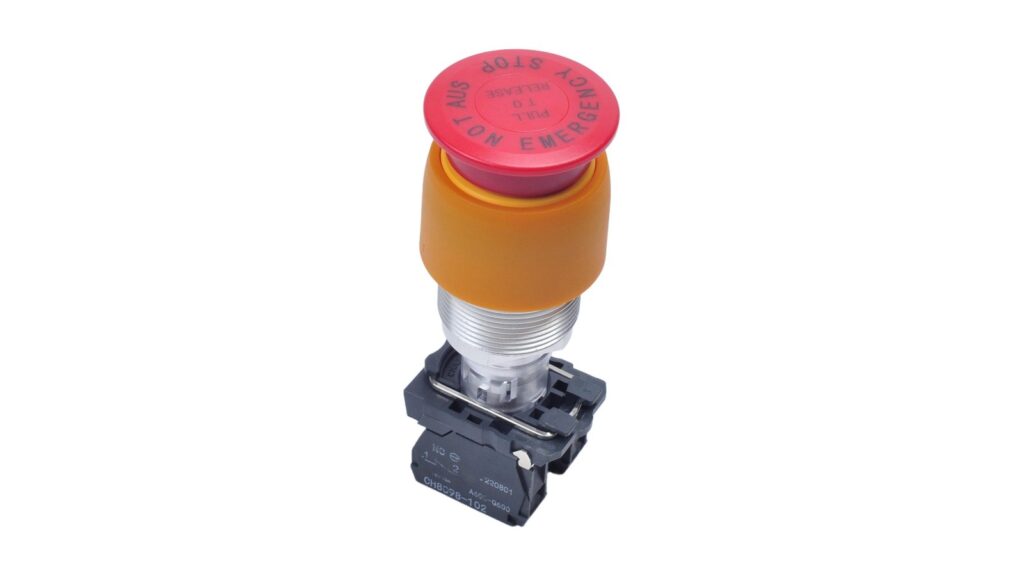
The public About page of MMAIATEX Explosion-proof Technology (Zhejiang) Co., Ltd. describes ATEX, IECEx and CCC certification as in progress at this review. This article and its representative website photograph do not establish a cleaning approval or certification for any model. Obtain exact model marking, certificate scope and current documentation for the equipment under consideration.
Safety disclaimer
This is general purchasing and planning information, not legal advice, a cleaning procedure or authorization for hazardous-area work. Do not improvise chemical use, tool selection, enclosure opening or work on energized equipment from this FAQ. Competent professionals must determine the applicable method and site controls before work proceeds.
Contact MMAIATEX about cleaning documentation
Send the exact product identity, available instructions, contamination description and the cleaning-document question that remains unresolved. Do not send an assumption of approval as a confirmed requirement.