Flash point vs autoignition temperature: the basic distinction
HSE's dangerous-substances guidance explains flash point in terms of liquid vapour and an applied ignition source. HSE's HSG140 glossary describes autoignition temperature, or AIT, as spontaneous ignition under specified test conditions. These definitions concern different ignition circumstances. A low flash point is not a substitute for an AIT value, and the two should not share an unlabeled temperature field.
This comparison is a reading aid for an enquiry record. It is not a method for calculating equipment suitability.
| Term in a document | What the information concerns | Purchasing mistake to avoid |
|---|---|---|
| Flash point | Liquid vapour ignitability with an applied source under the stated test conditions | Copying it into a field intended for AIT |
| Autoignition temperature | Ignition without an applied flame or spark under the stated conditions | Treating the value as an equipment operating limit |
| Equipment temperature class | A separate limit in the equipment's assessed hazardous-area information | Selecting it from flash point alone |
| Ambient temperature range | The surrounding-temperature conditions covered for equipment | Substituting process-fluid temperature for ambient data |
The existing temperature class and ambient-temperature guide explains the equipment-side limits. Here, the focus is the substance information that reaches the selection reviewer before those limits are compared.
What the current material-characteristics standard covers
The IEC catalogue for ISO/IEC 80079-20-1:2017 describes methods and data for gas and vapour classification, including AIT determination to support appropriate equipment temperature-class selection. Its public scope also addresses maximum experimental safe gap for equipment grouping. It is not a rule that converts a liquid's flash point directly into a T-class.
At this review, the IEC listing identifies the 2017 publication as Edition 1.0 and states that the July 2018 corrigendum is included in its copy. Check the applicable edition and corrections when preparing the project specification. This article does not reproduce the standard's property tables or laboratory procedures.
Build a substance record for the equipment enquiry
A useful enquiry starts with the actual substance or mixture, not a copied number from an unrelated product sheet. The following is an original documentation workflow for buyers and reviewers, rather than a mandatory form from HSE or ISO.
Record the supplier's designation, relevant composition information, document revision and intended process. Keep flash point and AIT in separate fields, each with its units and source. If the document provides a method, test condition, range or qualification, preserve it rather than reducing the entry to a bare number.
Where a safety data sheet is available, identify the exact product and revision it describes. A general chemical name on a purchase order may not fully describe a formulated mixture. Ask the substance supplier and responsible process specialist to resolve a mismatch; do not let the equipment vendor infer the composition from a trade name.
If a value is missing, write not provided and assign the question for review. Do not enter zero, copy the other temperature property or select a convenient number from an online table. Those shortcuts turn a visible information gap into a misleading input.
Keep process conditions separate from room temperature
HSG140 warns that a liquid below its flash point is not automatically free of ignition hazards. Heating, mixing, mist or spray release, and liquid films or absorbent materials can change the circumstances. This is a reason to describe the real process, not a basis for a buyer to calculate a safe operating condition from a single property.
In an enquiry, distinguish normal process conditions from startup, shutdown or other conditions the responsible team requires the design to address. Record the source of each assumption and ask who has reviewed it. The buyer's contribution is an accurate information trail, not an independent area-classification decision.
Use the gas Zone classification guide for the related distinction between substance information and the assessed likelihood and extent of an explosive atmosphere. Do not infer Zone 1, Zone 2 or an unclassified location from flash point alone.
Handle conflicting values without choosing the convenient one
Suppose, as a hypothetical document-review example, two sheets for a solvent blend show different temperature data. The useful first question is whether they describe the same formulation and revision, and whether the values refer to the same property. Comparing numbers before answering that question can hide the real discrepancy.
Keep both source records and ask the relevant supplier or competent specialist for clarification. Record the selected basis and why it was accepted. Avoid averaging conflicting values or selecting the value that makes the preferred equipment appear suitable. No general percentage or temperature allowance in this article resolves conflicting substance data.
If a process mixture changes after equipment has been specified, return that change to the responsible engineering review. Updating the material name in a spreadsheet does not establish that the earlier selection remains appropriate.
Translate the reviewed information into a clear equipment enquiry
Once the responsible team has established the relevant process and classification basis, provide the equipment supplier with the defined requirement and its limitations. Keep the supporting substance data available for questions, but do not ask the supplier to certify a whole process from an incomplete safety data sheet.
Compare the offered equipment's exact identity, marking, certificate coverage and instructions against the approved requirement. The Ex marking guide helps readers identify the different fields without treating one field as the complete suitability decision.
This separation also improves handover. The operator should be able to distinguish what was known about the substance, what the project required and what the equipment documentation actually supported. An unresolved assumption should stay visible in that record.
Source note and limits
HSE currently publishes HSG140, second edition, 2015. Its material is British workplace guidance; this article uses its physical-property explanations and cautions, not its older legal or standards references as a statement of every destination's current rules. The discussion concerns flammable liquids and gas or vapour data, not combustible-dust layer or cloud test results.
Current MMAIATEX certification status
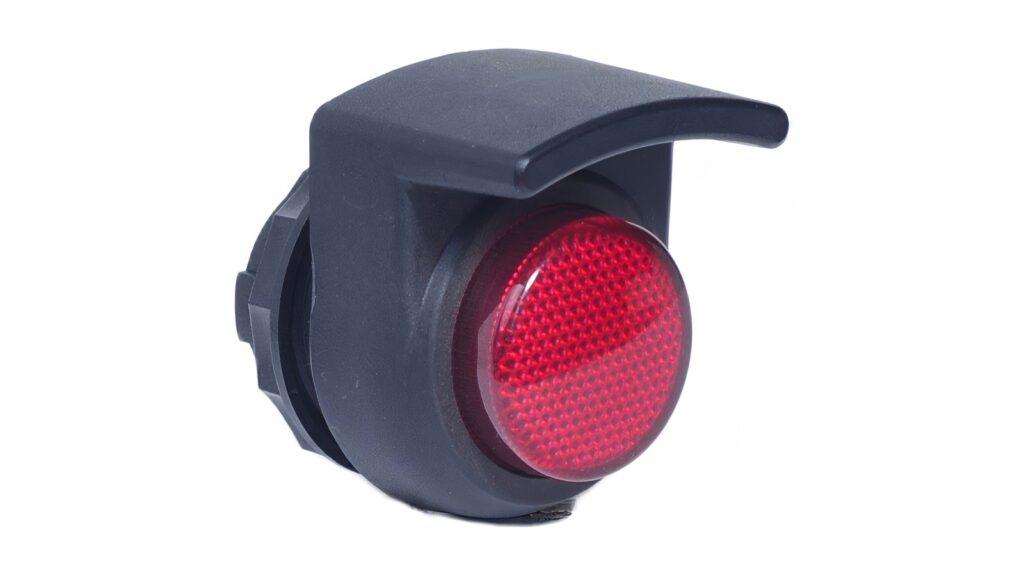
MMAIATEX is the public brand of MMAIATEX Explosion-proof Technology (Zhejiang) Co., Ltd. The public About page describes ATEX, IECEx and CCC certification as in progress at this review. This guide and its representative product photograph do not establish a certified temperature rating or chemical suitability for any MMAIATEX model. Verify exact model marking, certificate scope and current documentation.
Safety disclaimer
This is general technical and purchasing information, not a laboratory test method, area-classification study, operating procedure or permission to use equipment. Do not perform ignition tests or determine safe process limits from this article. Qualified professionals must assess the actual substances, conditions and applicable requirements.
Contact MMAIATEX about the documented equipment requirement
Send the intended destination, equipment function, reviewed hazardous-area requirement and the specific documentation gap. Keep substance and process assumptions distinguishable from confirmed equipment limits when requesting available product information.