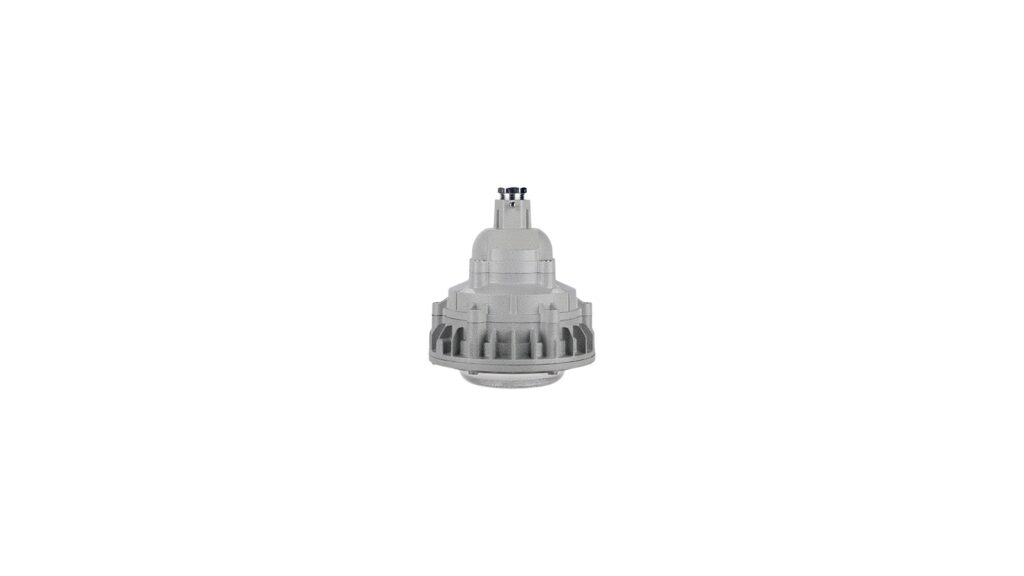
Image note: The representative website product photograph does not illustrate an autonomous protective system. It is not evidence that MMAIATEX supplies a protective system or that a pictured product has a particular certification.
ATEX protective systems: start with the intended function
The word protection appears in many industrial descriptions. It can refer to an enclosure's protection technique, a device's normal control function, a process safeguard or a complete proposal. Those descriptions should not be treated as interchangeable legal classifications.
The Article 2 definitions reproduced in the Commission's ATEX guidelines distinguish equipment, protective systems and components. A protective system's defined purpose and autonomous supply status matter. A component, by contrast, has no autonomous function. Describing an order as an ATEX package does not explain which of those identities applies to each supplied item.
Ask the supplier to state the intended function and product status in the offer. Then ask which document supports that status. This is an editorial purchasing recommendation, not a substitute for the manufacturer's assessment or the applicable legal process.
Separate the product from the wider project
A useful review begins with a written description of what is included in the offer. List the named items and identify any interfaces or other project equipment discussed in the proposal. Keep commercial package descriptions separate from the supplier's statement of the product covered by its conformity documentation.
The European Commission's sixth-edition ATEX guidelines, currently linked from its ATEX page, discuss autonomous protective systems and protective functions integrated into equipment in section 45. They explain that the integrated case is assessed with the equipment rather than treated as a separately marked autonomous system. This is not an exemption from assessing the protective function.
Do not try to resolve that distinction from the number of cartons, a shared cabinet or whether a proposal uses external power. Put the functional and supply-boundary question to the responsible parties and keep their answer with the relevant document revision.
| Description in an enquiry | Question to resolve | Evidence to connect to the answer |
|---|---|---|
| Autonomous protective system | What defined function and supplied system are being assessed? | Identified system, conformity documents and intended-use information |
| Protective function within equipment | Where is the integrated function addressed? | Documentation for the equipment and its stated configuration |
| Component for incorporation | What remains to be completed in the finished product? | Component identity and relevant incorporation information |
| Several items in one commercial package | Which document covers each item and their proposed combination? | A clear scope statement and a document-to-item index |
Do not borrow an identity from a related product
A familiar label can create an incorrect shortcut. An Ex-marked electrical enclosure is not automatically an autonomous protective system. A component document does not, by itself, identify the conformity evidence for a finished system. Nor should a system claim be transferred to another offered item simply because both appear on the same brochure page.
Use the separate ATEX component-attestation guide when an offer includes components intended for incorporation. Its purpose is to help organise the component-document question. This article instead asks what the proposed protective system actually is and where its documented boundary ends.
Where an enquiry specifically concerns a flame arrester, the ISO/IEC 80079-49 scope guide provides a narrower reading route. A standard-specific guide is not a declaration that every protective system has the same function, assessment basis or application limits.
Build a document index around the actual offer
Use one row for each relevant offered item or defined system. Record its full designation, the supplier's scope description, the document reference and revision, and the question that the reviewer still needs answered. Separate documents already provided from documents only promised for a later stage.
For example, an offer may name a system while an attachment identifies only one constituent item. The purchasing action is to ask the supplier to explain that relationship. It is not to assume either that the whole offer is covered or that the supplied evidence is necessarily invalid. The outcome should be a traceable clarification, not an inference based on matching logos.
Give a discrepancy a named owner and retain the response. If the configuration changes during quotation, ask whether the existing document index still describes the revised offer. Preserve the earlier revision as history so the final reviewer can see what changed and what was re-examined.
Keep conformity and project suitability distinct
A document may identify a product without settling every question about the installation in which it is proposed. Ask the responsible project reviewer which application information must be supplied and which decisions remain outside the supplier's stated scope. Do not invent universal process limits or substitute a generic certificate checklist for that review.
The ATEX 114 and ATEX 153 responsibilities guide explains the separate product and workplace perspectives. For certificate authenticity and document identity, use the IECEx and ATEX verification guide. Neither linked article designs a protective system or approves an installation.
An unresolved suitability question should remain visible in the purchasing record. A commercial delivery date, familiar brand or apparently complete set of attachments cannot supply an engineering answer that has not been given.
Primary sources and legal reading limits
The Commission's current ATEX overview identifies Directive 2014/34/EU and links the January 2026 sixth-edition guidelines. The Directive supplies the product definitions; the guidelines explain application and are not themselves binding law. National implementation and other applicable legislation must also be considered. The table and document workflow above are editorial aids, not prescribed conformity-assessment procedures.
Current MMAIATEX certification status
MMAIATEX is the public brand of MMAIATEX Explosion-proof Technology (Zhejiang) Co., Ltd. On the review date, its About page describes ATEX, IECEx and CCC certification as in progress. This is an attributed website statement, not independent verification of any product certificate. Verify exact model marking, certificate scope and current documentation. This guide announces no protective-system product, approval or supply capability.
Safety and legal disclaimer
This is general purchasing information, not legal advice, an explosion-protection design or approval to operate equipment. Product classification, assessment and application decisions require the responsible competent parties and the applicable requirements. No system performance, sizing, installation method or acceptance threshold is specified here.
Contact MMAIATEX about the scope question
State the proposed product reference, destination market and the documentation question you need clarified. Distinguish the offered item from any wider project package so the enquiry does not imply an unverified system capability. Contact MMAIATEX.