ATEX documentation language requirements at a glance
The following distinctions come from Directive 2014/34/EU, consolidated on May 30, 2026. The consolidation is a reference aid; the authentic legislation is published in the Official Journal. National implementing rules and the intended market must be checked for an actual supply.
| Document purpose | Starting point | Buyer action |
|---|---|---|
| End-user instructions and safety information | Article 6(8) | Confirm the language required by the destination Member State |
| EU declaration of conformity | Article 14(2) | Confirm required language or languages for the market |
| Conformity assessment documents and correspondence | Article 13(6) | Confirm the language determined by the Member State concerned |
| Information requested by an authority | Applicable economic-operator obligations | Respond in a language that authority can readily understand |
The Commission's ATEX information page links a country language table. Use that table as a starting reference, not a substitute for checking current national requirements. A purchasing contract may also require additional languages for a multilingual workforce.
Twelve buyer questions
1. Is an English manual sufficient for every EU delivery?
No. Article 6(8) connects instructions and safety information to a language end-users can readily understand, as determined by the Member State concerned. English used in the quotation does not settle that obligation. Identify the country where the product will be made available and the relevant language requirement before approving the document list.
2. Does the language of an ATEX certificate decide the manual language?
No. An assessment document and end-user instructions serve different purposes. Review them separately rather than assuming one language choice governs the entire package. First establish what each document is and which product it covers. The existing guide to verifying IECEx certificates and ATEX documents explains that identity review.
3. Must the EU declaration of conformity be translated?
Article 14(2) requires translation into the language or languages required by the Member State where the product is placed or made available on the market. Ask for a destination-specific answer, not a statement that all declarations are issued in English. Keep the translated declaration connected to the same product identification and current declaration content.
4. Who checks language when products are imported or distributed?
Manufacturers, importers and distributors have distinct obligations. Article 8(4) addresses the importer's duty concerning accompanying instructions and safety information; Article 9(2) requires distributor checks before making products available. Assign practical review tasks in the supply chain without treating a contract as a transfer of statutory duties. See the ATEX importer and distributor guide for the wider role distinction.
5. Does one translated manual cover several destination countries?
Only if the package actually meets each applicable language requirement and accurately covers the supplied configuration. A multilingual document can be useful, but its presence alone proves neither completeness nor suitability. List every destination and required document language. Resolve any regional limitation or requirement for multiple languages before accepting a single shared file.
6. How should a buyer use the Commission's country table?
Read the correct document column and any qualifications for the destination. The Commission language table distinguishes instructions, authority documentation, declarations or attestations, and assessment correspondence. Do not copy a language from one column into every purchase-order field. Confirm unclear cases with the relevant national authority and responsible economic operator.
7. Can a translation change an equipment limit or instruction?
No. Translation should communicate the controlled source content accurately, not introduce a different rating, permission or maintenance action. As a recommended review, compare warnings, model references, symbols, units, diagrams and document revision identifiers. Escalate inconsistencies to the document owner. A fluent sentence is not enough if it changes the technical meaning.
8. Is an unchecked machine translation a suitable acceptance basis?
It is not a reliable purchasing acceptance method for safety-critical content. Software may assist preparation, but the buyer should request a controlled review appropriate to the technical subject and target language. This is a recommended quality-control approach, not a claim that ATEX prescribes one particular translation tool or professional credential. Keep responsibility for the released document explicit.
9. Should every technical-file document be translated and delivered to the buyer?
Not automatically. Distinguish documents required with the product from assessment correspondence, authority requests and additional contractual deliverables. Language provisions do not create a general right to the supplier's entire confidential technical file. Agree the records needed for the transaction and the process for resolving an authority's request. Avoid promising access that the contract and law do not establish.
10. What if the equipment revision changes after translation?
Reconcile the translated documents with the revised product before accepting the delivery package. A recommended register records source revision, translation revision, affected sections, reviewer and release date. Do not silently combine an old translated instruction with a new accessory arrangement. Confirm that the change assessment and any required evidence updates are complete as well as the language update.
11. What should a purchaser put in the document schedule?
Record the destination, document purpose, exact product identity, required language, revision, document owner and acceptance status. Separate legal requirements from extra contract preferences. Set review dates early enough to correct omissions before delivery. When matching the physical item to its records, retain the complete marking rather than translating technical designations informally; the Ex nameplate guide supports that check.
12. What if the shipment arrives with missing language documents?
Record the missing or inconsistent documents and seek controlled replacements from the responsible supplier. Keep commercial receipt separate from the decision to install or operate. Do not let a delivery deadline turn an unresolved safety-information issue into an assumed approval. The responsible economic operator and qualified site team should determine the required corrective action under the applicable rules.
Current MMAIATEX certification status
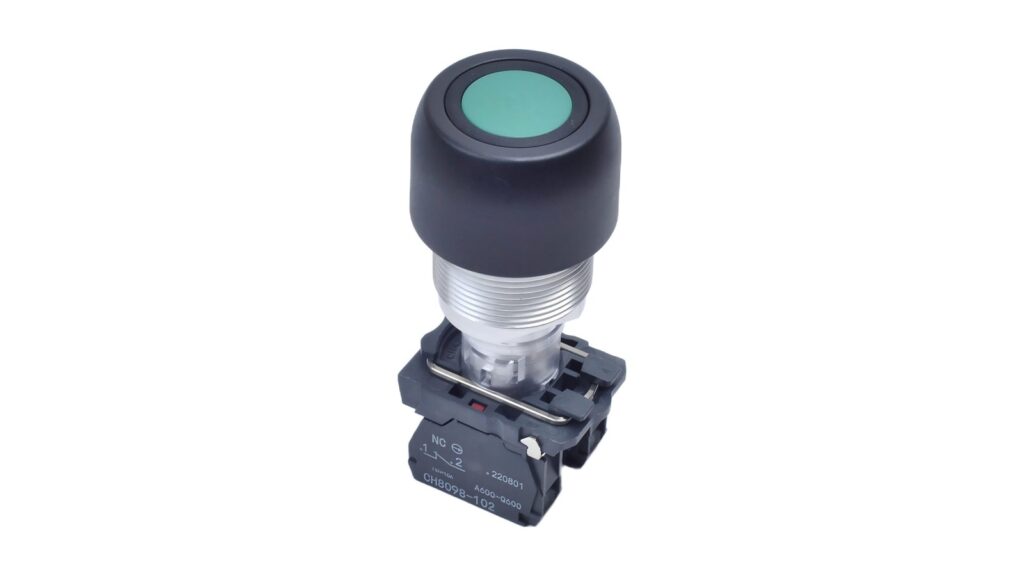
MMAIATEX is the public brand of MMAIATEX Explosion-proof Technology (Zhejiang) Co., Ltd. The public About page states that ATEX, IECEx and CCC certification is in progress. This article does not announce certification or guarantee a particular document language is available. Request exact model documentation and verify its current scope before purchase. A representative photograph is not conformity evidence.
Safety and legal disclaimer
This is general procurement guidance, not a legal opinion, product approval or installation instruction. Language requirements and document obligations depend on the applicable legislation, market and product. Resolve uncertainty with the responsible economic operator, competent national authority and qualified technical advisers. Translation cannot remedy missing conformity evidence.
Contact MMAIATEX about documentation
For an enquiry-specific document review, contact MMAIATEX with the destination countries, exact equipment description, required languages and available document references.