MMAIATEX component and MIE guides: choose a starting point
The three articles cover different questions that can arise during an equipment enquiry. A document supplied for a component, a laboratory result for a dust sample and a drawing of an installation are different kinds of evidence. Keeping those distinctions visible helps a buyer state the unresolved question without asking one document to establish something outside its scope.
Use the following reading route to select the relevant article. The suggested records are an editorial aid to preparing an enquiry, not a complete compliance file or a mandatory document format.
| Your immediate question | New English guide | Useful context to keep with the question |
|---|---|---|
| What does this component attestation establish? | ATEX Component Attestation: A Buyer Document Checklist | Component identity, document revision and intended incorporation |
| What does the reported dust MIE mean? | Combustible Dust Minimum Ignition Energy: Buyer Guide | Sample identity, test report and intended process context |
| Is this proposed mounting position supported? | Ex Equipment Mounting Orientation: 12 Buyer Check FAQs | Exact equipment instructions, relevant conditions and project drawing |
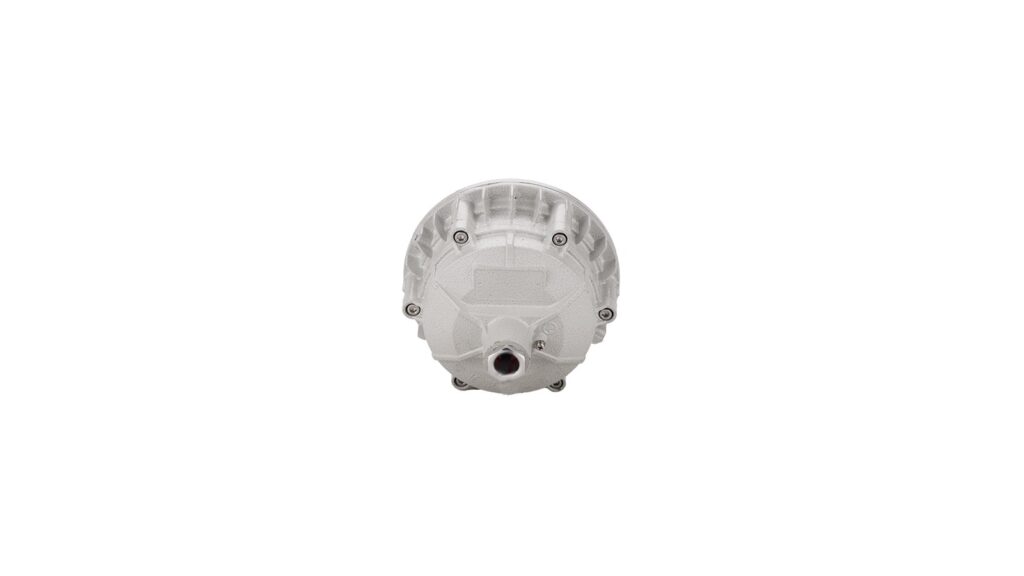
The table is a navigation tool. It does not create a shared approval route for the three subjects, and the representative product photograph is not evidence that any particular arrangement has been assessed.
Component documentation: identify the document's role
The new ATEX component attestation guide addresses buyers who receive a component document and need to understand its role in a larger product file. Its checklist separates identifying the component, reading the attestation and retaining information about incorporation.
The article draws on the European Commission's current ATEX guidance. It keeps the component-specific document distinction separate from acceptance of a completed assembly and notes that other applicable legislation can still affect marking. Readers can follow its source links instead of treating a supplier's document heading as sufficient evidence.
For an enquiry, the practical question is specific: which document covers the identified component, and which conditions remain for its intended incorporation? The guide provides a way to organise that question; it does not decide the conformity route for an individual project.
Dust data: preserve the meaning of the reported result
The combustible dust minimum ignition energy guide explains why a reported MIE belongs with its sample and test context. It is intended for readers reviewing information received from a laboratory or process team, not for performing an ignition experiment.
The article distinguishes a published standards record from an ongoing revision project and identifies the dates of its source material. It also separates spark-sensitivity information from other questions such as temperature selection. Those boundaries matter when an enquiry includes several hazard-data fields that appear together in a spreadsheet but answer different questions.
A useful handover preserves the original report reference and states which process context is being considered. An isolated number copied into a purchasing note can lose the information needed for a competent reviewer to interpret it. The guide deliberately offers no universal pass value or product recommendation based on MIE alone.
Mounting evidence: ask about the proposed position
The new mounting-orientation FAQ answers twelve buyer questions. It distinguishes a catalogue photograph, the exact equipment instructions and a project installation drawing. A product's illustrated position does not, by itself, establish the acceptability of a proposed installation.
The questions focus on making a proposed arrangement clear enough to review. They do not supply permitted angles, fastening values, clearances or permission to alter a bracket. If a drawing and an instruction appear inconsistent, the useful next step is to identify the exact difference and seek a documented clarification from the appropriate party.
Keep the three evidence trails separate
An enquiry may involve more than one guide. Keep each question attached to its own equipment or material reference and source document. Label an unanswered point as unresolved rather than silently converting an assumption into an agreed project requirement.
Each new article includes a direct answer, a review date, links to source material and a stated safety boundary. The European Commission's ATEX information page is one starting point for the component topic. The technical and mounting articles identify their own sources because the three topics do not rely on an interchangeable set of documents.
Current MMAIATEX certification status
As reviewed on October 8, 2026, the MMAIATEX About page describes ATEX, IECEx and CCC certification as in progress. This is an attributed website statement about MMAIATEX Explosion-proof Technology (Zhejiang) Co., Ltd., not independent verification of any model's current certificate. Publication of these guides does not change that status or establish certification for the representative photograph.
Safety and legal disclaimer
These resources support questions and document review. They are not installation instructions, legal advice or an equipment-selection approval. Applicable requirements, exact manufacturer documentation and competent project assessment govern actual decisions. Stop and resolve conflicting or incomplete evidence before treating a proposed selection or arrangement as accepted.
Contact MMAIATEX about a documentation question
For an equipment enquiry, identify the guide you are using, the proposed equipment reference and the document or drawing revision behind your question. State what remains unresolved and ask which current documentation is available for the exact item.