
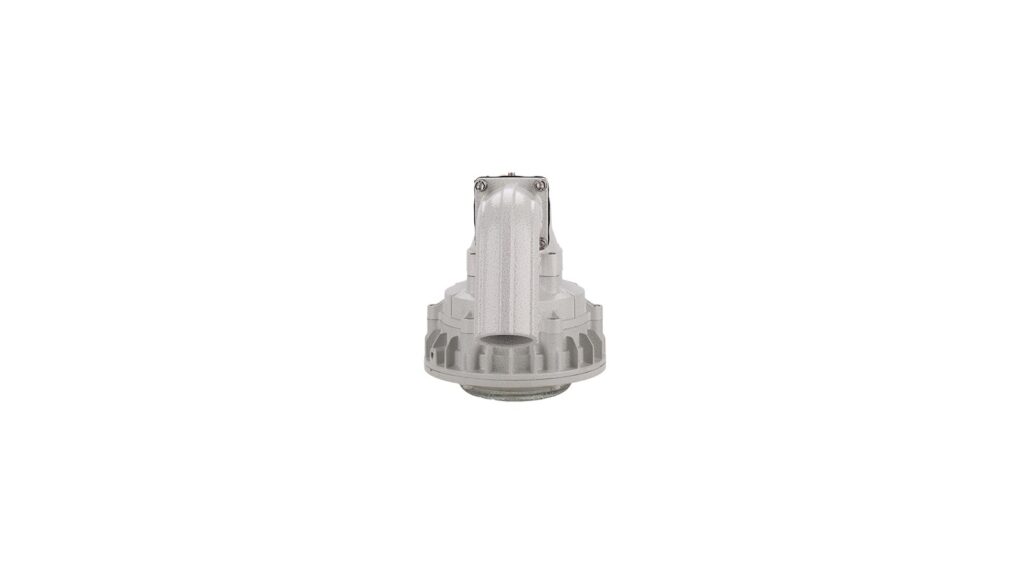
Image note: The representative photograph comes from the existing website product library. It is not a photograph of today's editorial work or evidence of a new product approval. Verify exact model marking, certificate scope and current documentation before equipment selection.
MMAIATEX safety-device guides: what is new today?
This is a website resource update from MMAIATEX Explosion-proof Technology (Zhejiang) Co., Ltd. The verifiable event is the publication of the three linked guides below. It is not a certification announcement, product launch, factory report or customer-project story.
Each guide answers a different question. Readers can enter through the issue in their current enquiry rather than reading all three as a course. The shared approach is to keep the meaning of the evidence clear before it moves between purchasing, engineering and compliance teams.
| New resource | Start here when your question concerns | Boundary to retain |
|---|---|---|
| External ATEX safety devices | Whether an outside location settles product scope | Intended function still needs assessment |
| Vapour pressure and vapour density | Which property a data-sheet entry describes | A property value is not a zone classification |
| Motor-starter buyer FAQs | Which assembly and functions a quotation covers | Part documents do not automatically approve a complete arrangement |
A clearer question about devices outside the zone
The new ATEX safety-devices guide examines Article 1(1)(b) of Directive 2014/34/EU through the European Commission's guidance. Its central question is the device's intended explosion-safety role, not merely its physical location.
For a purchasing file, that distinction creates two separate records: where the device is intended to be used, and what function the manufacturer says it performs for identified equipment or a protective system. The article offers a comparison table and clarification questions to help keep those records connected without merging them into an unsupported acceptance statement.
It deliberately stops short of assigning a product category or designing a safety function. A reader with an actual configuration still needs the responsible parties to resolve the scope and application questions. The guide's value is in making the unanswered question specific enough to review.
A data handover that keeps the property name intact
The new vapour-pressure and vapour-density guide separates a pressure property from a density comparison. It explains why units, temperature, reference basis and material identity should remain visible when information is copied from a source document into an enquiry.
Its five-step handover is aimed at the information transfer itself. Buyers can retain the original document, identify missing conditions and record a question for the specialist who owns the assessment. They are not asked to infer a hazardous-area boundary, calculate ventilation or select an Ex model from a chemical-property table.
The linked official sources are identified in the guide, along with limits on their use. In particular, older reference material is not presented as a blanket statement of current legal or standard requirements. The article's review date records when its editorial checks were made.
Twelve questions about the offered starter assembly
The motor-starter purchasing FAQ concentrates on the scope of an offered starter assembly. It separates the motor, operator controls, contactor, protective functions and associated documentation instead of treating them as interchangeable items.
The questions help a buyer ask what is included, which configuration the documents identify and who should resolve a difference between the quotation and supporting evidence. The FAQ also distinguishes the general IEC motor-starter standard from model-specific explosion-protection evidence.
This is not a motor-selection worksheet or a wiring guide. It provides no protection settings, substitution instructions or commissioning procedure. The representative photograph is explicitly identified as a luminaire, not a picture of the starter arrangement under discussion.
Using the resources in one enquiry
Start with the article that matches the open question. Keep the relevant source document and its revision beside that question, then identify the person responsible for answering it. A short, traceable question is easier to review than a bundle of unlabelled catalogue extracts.
The resources can also be shared separately with colleagues. Their direct opening answers, descriptive headings, comparison content and source links are intended to keep the context attached when a section is cited or forwarded. None of the articles turns an incomplete file into an approval record.
MMAIATEX certification status
The current MMAIATEX About page describes ATEX, IECEx and CCC certification as in progress. This is an attributed website statement, not independent certificate-register verification. Publishing these guides does not change that status or establish approval of any product, component or assembly. Buyers should obtain the current documents for the exact offered configuration.
Safety and legal disclaimer
These resources provide general purchasing information. They do not replace competent engineering review, a site-specific risk assessment, legal advice or the manufacturer's instructions. Do not use them to change equipment, operating conditions or an approved safety arrangement.
Contact MMAIATEX
Send the approved project requirements and the specific documentation question raised by a guide. Identify the offered item and intended application so the enquiry can be discussed without implying an unverified capability.