
MMAIATEX September 24 buyer guides: choose the relevant question
The new resources serve different points in a purchasing and installation workflow. A buyer comparing a packaged assembly needs to understand the assessment basis. A technical coordinator needs records that describe the proposed system. A receiving team needs product-specific instructions and a clear release process for stored equipment.
| Your current task | Start with | Intended outcome |
|---|---|---|
| Reviewing an assembly quotation | The equipment-assembly pre-release briefing | Clarify the edition, supply boundary and assessment responsibility |
| Collecting system handover records | The intrinsically safe system documentation guide | Connect equipment identity, design evidence and installation revisions |
| Holding equipment before installation | The Ex equipment storage FAQ | Identify preservation instructions, unresolved damage and release responsibilities |
These articles support a more precise request for information. They do not authorize the reader to select, certify, modify or energize hazardous-area equipment without the appropriate technical review.
A dated briefing on the assembly pre-release
The new IEC 60079-46:2026 pre-release buyer briefing separates an FDIS from a final published standard. Its status discussion is based on the official IEC listing checked for this update. Readers should recheck that listing when a project decision depends on the publication state.
The article then turns to the purchasing questions that remain important during a transition: what is included in the delivered package, which edition the contract specifies, who is responsible for the combined arrangement, and how design changes will be reviewed. The focus is the overall equipment assembly rather than one component's appearance or catalogue description.
For procurement staff, the practical output is a short list of decisions to assign to the technical owner. For engineers, it is a reminder to keep the agreed assessment basis visible in the purchasing records instead of allowing a new document title to change the project assumptions silently.
A guide to connected system records
The intrinsically safe system documentation guide addresses the handover between suppliers, designers, contractors and the site team. It explains a practical dossier as a controlled collection of identities, interconnections, assessment evidence and revision records.
The guide does not offer a substitute circuit calculation or a universal approval form. Its purpose is to help a buyer ask whether the documents describe the same arrangement. A file can be genuine yet irrelevant to the exact variant or connection being supplied. A useful document index makes those relationships explicit.
Readers can use the comparison table to organize an information request, then assign missing inputs to the appropriate party. The article also distinguishes quotation drawings, approved design information and final installation records, so a convenient early revision is not mistaken for an accepted installed configuration.
Twelve questions about equipment waiting for installation
The Ex equipment storage FAQ covers receipt records, damage, missing identification, transport protection, prolonged storage and the final handover to installers. It avoids prescribing a single storage temperature, humidity limit or shelf-life for unrelated products.
The central point is simple: use the exact manufacturer's instructions and retain traceability. Receiving a shipment and releasing it for installation are different decisions. If condition or identity is unresolved, the FAQ directs the reader to competent review rather than a trial installation or an improvised warehouse repair.
The answers can help a project team prepare its questions before equipment arrives. They can also help stores personnel identify what they may record themselves and which decisions require the designated technical owner.
Use the guides with the actual project evidence
Begin with the guide closest to the question you are trying to resolve. Note the exact model, proposed application and document revision involved, then record which answer still depends on supplier or engineering confirmation. Share the relevant guide link with the person who owns that decision, along with the actual project information.
Avoid turning general editorial guidance into a model-specific promise. A checklist is useful because it reveals what needs verification, not because it removes the need for verification. The dates and sources in each article make that distinction easier to revisit when a standard, proposed configuration or supply requirement changes.
MMAIATEX certification status
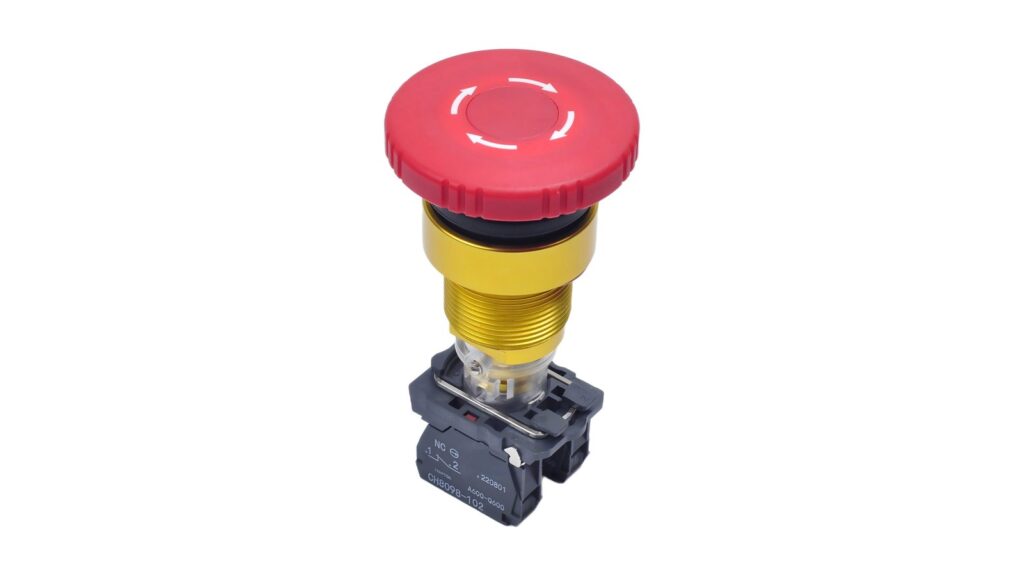
The public About page of MMAIATEX Explosion-proof Technology (Zhejiang) Co., Ltd. describes ATEX, IECEx and CCC certification as in progress at this review. These new publications do not announce a change to that status. Representative product photographs are illustrations, not evidence of an assessed assembly, intrinsically safe system or approved storage limit.
Safety and legal disclaimer
The guides provide general purchasing and documentation information. They do not replace current manufacturer instructions, applicable legislation, competent engineering assessment or site safety procedures. Obtain exact-model evidence and the required approvals before installation or use.
Contact MMAIATEX about documentation availability
For a specific inquiry, provide the exact item, intended application and the documents your project requires.