
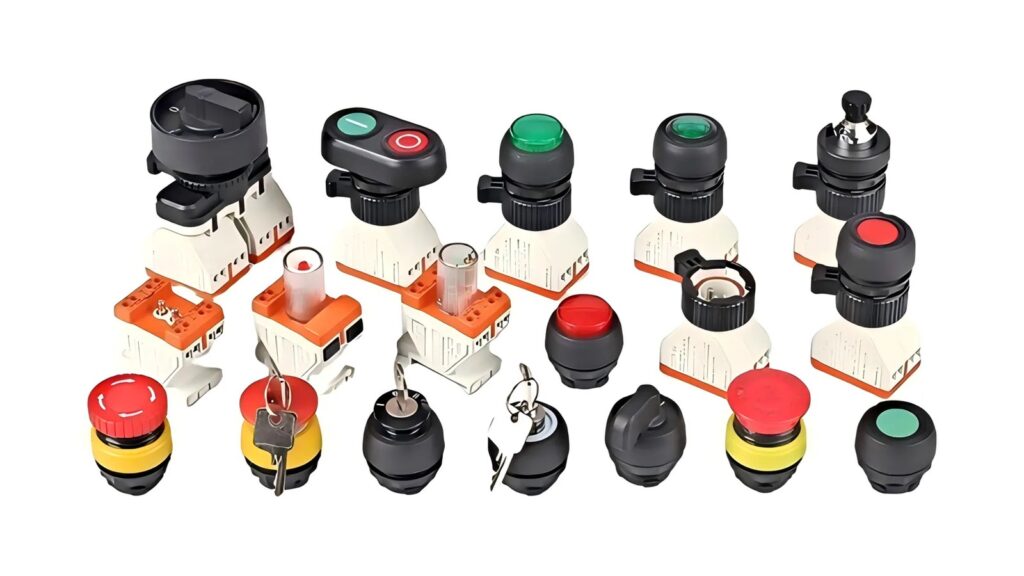
This is a website content update. It does not announce a new certificate, product approval, production line, customer project, test result or field-performance claim.
Three new guides are now available
The new group follows the point where a buyer already knows that hazardous-area equipment is required but still needs to define what the installation and purchase order must contain.
| New guide | Question it answers | Useful next action |
|---|---|---|
| IEC 60079-14:2024 Ex Equipment Buyer Checklist | Which project, equipment, entry, documentation and inspection inputs should be settled before ordering? | Build an RFQ around the approved area classification and installation design |
| Ex db vs Ex eb: Enclosure and Control Equipment Selection | How do flameproof enclosure protection and increased safety differ, even when both markings may include EPL Gb? | Compare the required protection technique with the exact equipment function and certificate |
| Can You Drill or Modify an Explosion-Proof Enclosure? 10 Buyer FAQs | Why can a seemingly simple hole, entry or hardware change affect explosion protection? | Define every entry, operator and internal component before the final configuration is approved |
The guides are educational starting points. They do not replace a hazardous-area classification, installation design, certificate, manufacturer instruction or approval by the responsible project team.
Why these three topics belong together
Many procurement problems begin after a general product family has already been selected. A buyer may have found a junction box, control station or enclosure that appears suitable, but important installation information is still missing.
A useful review connects three layers:
- The project inputs that control equipment selection and installation
- The protection technique used by each part of the equipment
- The exact configuration, entries, components and documents that are covered
The IEC 60079-14:2024 buyer checklist starts with the project record. The Ex db vs Ex eb guide then explains why two products intended for a similar Zone can use different protection principles. The enclosure modification FAQ addresses what happens when the required configuration is changed after selection.
Reading the three together encourages an evidence-led sequence: define the installation, compare exact equipment, confirm permitted configuration, then retain the approved documentation.
A practical reading path
Start with the IEC 60079-14 article when an enquiry contains only a short description such as "Zone 1 control box" or "Ex junction box." The guide lists the classification, atmosphere, EPL or category, temperature, ambient, electrical, cable-entry, mounting and document details that should be supplied before products are compared.
Continue with the Ex db and Ex eb article when a schedule or marking contains one of those protection codes. The article explains that a shared EPL does not make the construction, entry system, permitted internal components or inspection needs interchangeable.
Use the enclosure modification FAQ before asking a supplier or workshop to add holes, operators, windows, glands, stopping plugs, terminals or internal equipment. It explains why the exact certificate schedule and manufacturer documentation must be checked before physical work begins.
Buyers can review MMAIATEX Ex terminal boxes and junction boxes and Ex controller and control panel products as discovery pages. Category pages help identify possible product families, but they do not establish project suitability.
How this update connects with earlier resources
The new group builds on the existing English knowledge series:
- How to Verify IECEx Certificates and ATEX Documents explains how to compare the legal manufacturer, model, marking and document status.
- How to Read Ex Markings explains the fields that appear together on an Ex nameplate.
- Equipment Protection Levels Explained separates the area Zone from the protection level assigned to equipment.
- Explosion-Proof Cable Gland Selection lists the cable and entry details needed for a model-specific review.
- Zone 1 Junction Box Selection provides an earlier product-selection checklist for enclosure applications.
Together, the articles move from broad compliance concepts to the practical records needed for an exact purchase and installation review.
What this publishing update does not change
Publishing technical guidance does not change the certification status of any product. It also does not mean every product in a category shares the same Zone, EPL, protection technique, gas or dust group, temperature limit, entry arrangement or destination-market approval.
Buyers should request current evidence for the exact legal manufacturer, model, suffix and configuration. A photograph, related model, previous certificate issue or similar enclosure is not a substitute for the applicable controlled document set.
Current MMAIATEX certification status
The public MMAIATEX About page states that ATEX, IECEx and CCC certification work is in progress. Do not infer a completed product certificate from a title, category, image, video or educational article.
Before specifying equipment, request current model-specific documents and verify the applicable certificate status, scope and conditions through the relevant official system and responsible project process.
Safety disclaimer
This company update and the linked guides provide general product-research information. They are not area-classification studies, certificates, declarations of conformity, installation instructions, repair instructions or engineering approvals. Hazardous-area design, equipment selection, installation, inspection and modification must be controlled by competent personnel using current project data, applicable requirements and exact product evidence.
Request model-specific information
Tell MMAIATEX the destination country, approved Zone, required EPL or ATEX category, gas or dust group, temperature requirement, ambient range, electrical duty, cable and entry details, mounting method, intended operators or internal components, and required documents. The team can then identify potentially relevant product information for the responsible buyer or engineer to assess.