
IEC 60079-46:2026 pre-release status at this review
The IEC pre-release listing gives a September 18, 2026 release date and a voting period ending October 30, 2026. It identifies the document as an FDIS. Its lifecycle table still lists IEC TS 60079-46:2017 as valid. These are different publication states, not interchangeable labels.
The subject is equipment assemblies for explosive atmospheres. The existing specification addresses the integration of individually certified items and the additional assembly aspects not settled by those individual certificates. It is not a substitute for hazardous-area classification or the end-user installation work covered by IEC 60079-14.
This briefing uses the public IEC scope and lifecycle information. It does not reproduce the paid standard or claim a clause-by-clause review of the proposed changes. A technical team evaluating differences needs the applicable documents and a competent assessor.
Put three decisions in separate columns
An assembly purchase can involve a published technical document, a proposed future document and a contractual acceptance requirement. Keeping them separate prevents an attractive quotation from quietly changing the engineering basis.
| Decision | Record to request | What not to infer |
|---|---|---|
| Which edition governs the work? | Exact reference in the approved specification | A pre-release title automatically replaces the contract |
| What is being delivered? | Boundary drawing and controlled item list | A component certificate covers every interconnection |
| Who accepts the finished arrangement? | Named assessment responsibility and deliverables | The purchasing department can approve Ex design by itself |
| What happens if the design changes? | Written change and review procedure | A familiar product family makes every variant equivalent |
This table is a procurement aid, not an additional set of IEC requirements. Its purpose is to make technical questions visible while the people responsible for the assessment resolve them.
Define the assembly before comparing prices
Ask the bidder to describe the actual delivered boundary. Does the package include only equipment mounted together, or also wiring, tubing, control logic, protective interfaces and site connections? Which items are supplied loose? Which interfaces will another contractor complete? Record unanswered points as exclusions needing resolution, not as assumptions of compliance.
A useful request includes a simple boundary drawing, an item list with exact variants and a list of intended operating conditions. These records let an engineer check whether the offered package matches the application. They also help the buyer compare quotations that might otherwise use the same short description for different scopes of supply.
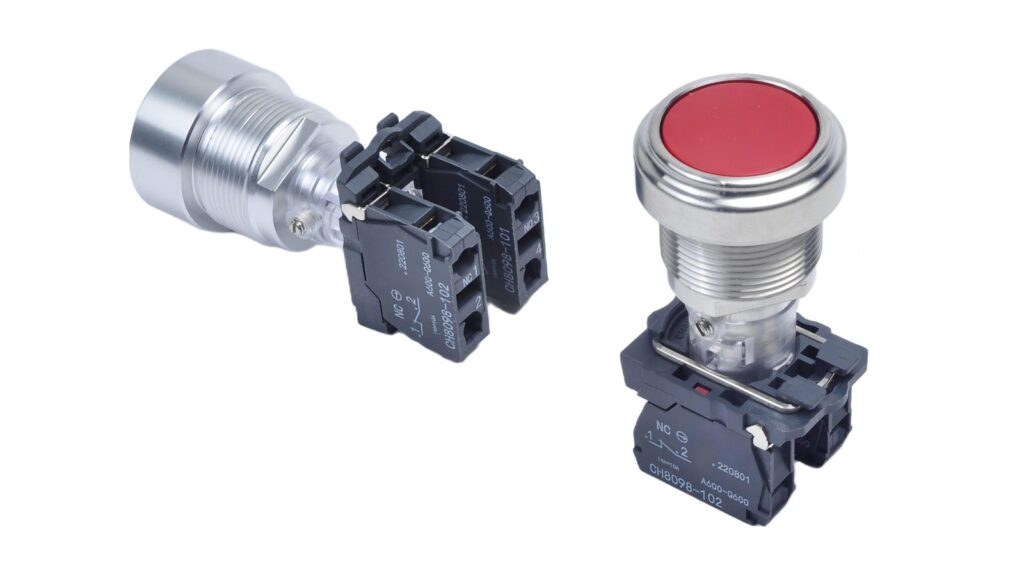
Do not select an assessment route from a product photograph. The visible arrangement cannot establish internal connections, heat sources, certificate conditions or the limits of responsibility. For a general introduction to the evidence chain, use our guide to verifying IECEx certificates and ATEX documents.
Ask for the gaps between individual certificates
A collection of certificates is useful evidence, but the project still needs an explanation of the combined arrangement. Ask which certificate applies to each supplied item and where its restrictions have been checked. Then ask what assessment addresses the interfaces and the package as delivered.
For example, a buyer could receive a certified enclosure, separate operators and a wiring schedule. That document bundle alone does not answer whether the specified combination has been assessed. The appropriate response is a request for the responsible party's documented conclusion, not a buyer-created declaration that the assembly is acceptable.
Our control-station buyer FAQ addresses a particular product family. This article addresses a different question: how to hold the overall assembly purchase to a defined evidence and edition basis during a publication transition.
Handle the pre-release without premature replacement
Use a short decision sequence with the technical owner:
- Identify the edition already specified for the project and the reason it was selected.
- Record that a pre-release exists and assign someone to review its relevance.
- Ask the assessor whether the proposed design or contract needs any change now.
- Obtain written agreement before changing the supply specification or acceptance documents.
- Recheck publication status when the design is released and again if the purchase is materially revised.
There is no universal procurement instruction to discard an existing certificate because a new draft appears. Conversely, doing nothing is not a technical assessment of a changed design. Record the decision and its owner so that the next reviewer can understand what was considered.
Keep site installation outside the supplier's assumptions
IEC 60079-14:2024 covers electrical installation design, selection, installation and initial inspection. Assembly delivery and installation acceptance should therefore be coordinated, not treated as the same checkpoint. Our installation buyer checklist explains the information that should reach the project team before ordering.
Before dispatch, identify the person receiving the technical package and how outstanding installation questions will be tracked. Missing interface information is easier to resolve before equipment is delivered than after a contractor has made connections based on an assumption.
MMAIATEX certification status
The public About page of MMAIATEX Explosion-proof Technology (Zhejiang) Co., Ltd. describes ATEX, IECEx and CCC certification as in progress at this review. This article announces no certification, assembly assessment or approved model. Obtain current, model-specific evidence before any hazardous-area selection.
Safety and legal disclaimer
This is an editorial procurement briefing, not an assembly design approval, certification decision or legal opinion. The responsible competent parties must determine the applicable legislation, assessment route, standards and project requirements. Do not energize or modify equipment based on this article.
Contact MMAIATEX about assembly documentation
Send the proposed scope, equipment list, intended market and required assessment basis through Contact MMAIATEX. Ask which documents are available for the exact proposed supply before making an acceptance decision.