Ex equipment in oxygen-enriched atmospheres: separate three questions
Procurement enquiries sometimes compress several different requirements into one phrase such as "oxygen-proof light." That phrase does not describe a complete application. Use the following distinctions to make the enquiry reviewable. This is an editorial purchasing framework, not a classification method or a product approval.
| Question | Information to provide | Evidence still needed |
|---|---|---|
| What surrounds the equipment? | Assessed atmosphere and credible changes during operation | Suitability for the stated external conditions |
| What contacts internal parts? | Oxygen-contact locations, process conditions and intended function | Relevant material, component and service documentation |
| Who authorizes the application? | Site, jurisdiction and responsible technical reviewer | Recorded assessment and any unresolved restrictions |
Keep these questions separate in the quotation comparison. A response about the enclosure's external use may leave the oxygen-contact question unanswered, or vice versa.
1. Does an Ex certificate automatically cover oxygen enrichment?
No. The public scope of IEC 60079-0:2026, Edition 8.0 published June 16, 2026, describes standard atmospheric conditions using normal oxygen content, typically a volume fraction of 21%. It also identifies circumstances outside standard oxygen content that need further consideration and testing. Read the offered equipment's evidence against the actual application; do not assume the general standard reference settles it.
2. Does oxygen enrichment mean oxygen is the fuel?
No. The relevant concern is how increased oxygen availability changes combustion hazards. HSE's Oxygen use in the workplace, leaflet INDG459, explains that enrichment can make fires easier to start and more severe. For a buying enquiry, identify the oxygen source and possible exposure instead of listing oxygen as though it were simply another flammable gas group.
3. Is there one percentage that makes every Ex product acceptable?
No universal equipment-acceptance percentage is established by the sources used here. A typical atmospheric value in a standard is not a permit-to-work limit, detector alarm setting or approval boundary for every product. Record the value, unit, source and operating context supplied by the competent site assessor. Leave the technical decision unresolved where the equipment documentation does not address that context.
4. Are oxygen-contact service and the surrounding atmosphere the same?
No. A component carrying oxygen and an electrical item installed nearby pose different selection questions. OSHA's bulk oxygen systems rule, within its stated United States scope, includes oxygen-service suitability requirements for piping, fittings and accessories. It separately addresses electrical installations. This illustrates why one claim should not be substituted for the other; it is not a global classification rule.
5. Can I choose a more protective-looking enclosure and proceed?
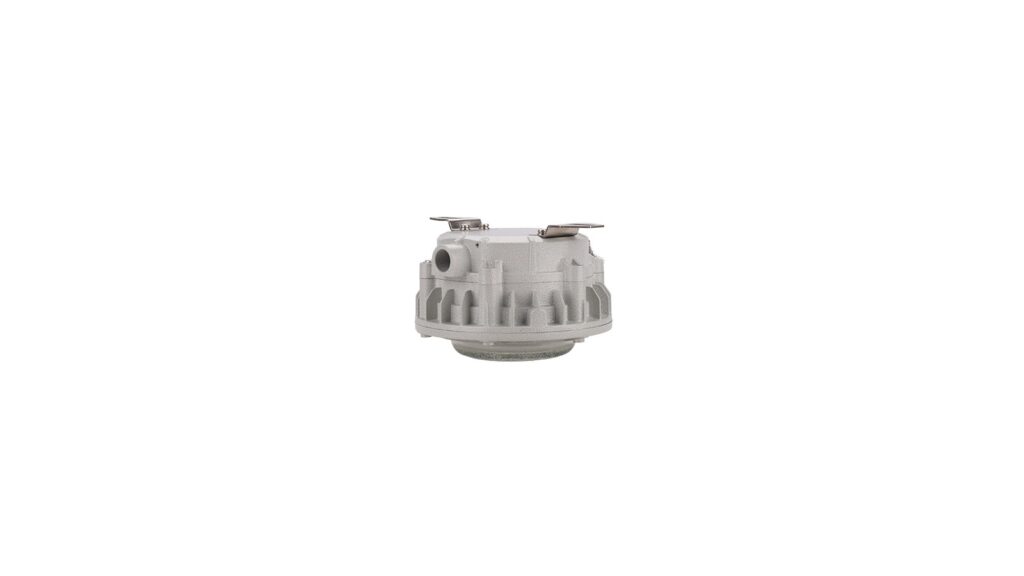
Not on appearance alone. A heavy housing, sealed lens or familiar marking does not explain its assessed conditions. Collect the full marking and model identity, then follow the document trail. Our Ex marking guide helps with that reading task. It does not extend the marked product's scope to oxygen enrichment, and neither does a representative photograph on a website.
6. Does intrinsic safety remove the oxygen question?
No. The IEC public scope specifically identifies energy-limiting protection and flame-quenching protection as relevant when considering additional testing outside standard oxygen conditions. That does not mean every product using either approach is unsuitable; it means the approach's name alone is insufficient evidence. Ask for the manufacturer's written assessment of the exact conditions rather than choosing between protection labels without supporting documentation.
7. Can ordinary replacement seals or cleaning products be substituted?
Do not infer compatibility from similarity. The HSE leaflet warns about incompatible materials and unproven substitute components in oxygen service. Obtain the manufacturer's applicable parts and maintenance instructions. Our equipment cleaning FAQ is a separate general resource, not an oxygen-cleaning procedure. This article supplies no solvent recipe, cleaning method or maintenance authorization.
8. Will a flammable-gas reading settle the equipment choice?
Not by itself. State exactly what was measured and what the reading represents. An enquiry should not treat a measurement of one parameter as evidence for every atmospheric condition or for a product's certification scope. Have the responsible specialist specify the necessary assessment and measurement evidence. A supplier quotation cannot replace the site's monitoring strategy, entry controls or emergency arrangements.
9. What should the first supplier enquiry include?
Include the proposed model or function, installation location, destination country and the assessed conditions supplied by your technical reviewer. Explicitly distinguish external exposure from internal oxygen contact. Attach the relevant project specification and identify which items remain unknown. Ask the supplier to tie each suitability statement to a document and revision, rather than replying with an unsupported "yes" to a broad oxygen-use question.
10. How should competing quotations be compared?
Compare evidence against the same application description. Record which condition each supplier addressed, the supporting document, the covered configuration and any exclusions. Our certificate verification guide explains the separate identity and scope checks. If one offer addresses ordinary atmospheric service while another addresses specified oxygen exposure, the two answers are not equivalent merely because both mention Ex certification.
11. What if the intended conditions change after ordering?
Return the changed description to the responsible reviewer before accepting the equipment for the revised use. Keep the original and revised requirements identifiable in the purchasing record. A previous acceptance decision should not silently become evidence for a different application. Resolve the change with the manufacturer and relevant technical specialists; do not modify the equipment or improvise additional protection from this FAQ.
12. Does this guide recommend a MMAIATEX model for oxygen service?
No. No model-specific oxygen-service approval has been established for this article. Its purpose is to improve the questions and evidence used in a procurement discussion. The representative industrial product image does not demonstrate oxygen compatibility, enrichment suitability or certification. An unanswered application question must remain open until the responsible parties provide and assess the required information.
MMAIATEX certification status
The MMAIATEX About page currently describes ATEX, IECEx and CCC certification as in progress. MMAIATEX Explosion-proof Technology (Zhejiang) Co., Ltd. does not claim an issued model-specific certificate or oxygen-service suitability through this guide. Obtain current documentation for the exact proposed item.
Safety and legal disclaimer
This is general purchasing education, not equipment selection approval, oxygen-system design, a confined-space procedure or legal advice. Apply the relevant local requirements and competent specialist assessment. An oxygen leak or suspected unsafe atmosphere requires the site's safety response, not troubleshooting based on this article.
Contact MMAIATEX
Send the proposed application, location and available conditions for a documentation enquiry. Ask which product information is available and which suitability questions still require specialist review. Contact MMAIATEX.