MMAIATEX group and atmosphere guides: choose your starting point
An enquiry can contain an equipment-group label, a substance-data value and an oxygen-related requirement without explaining how they relate. The new guides keep those questions separate. Readers can use one resource for a specific clarification or read the set when preparing a document handover between purchasing and engineering.
| Your immediate question | New resource | Useful outcome for the enquiry |
|---|---|---|
| Does the proposed equipment group match the intended application? | ATEX Group I vs Group II | A clearer application description and scope question |
| What does the supplied flammability information represent? | LEL vs UEL | Identifiable source data with its original notation |
| Does the evidence address the stated oxygen conditions? | Oxygen-enriched atmospheres FAQ | Separate questions about surrounding conditions and oxygen contact |
These are reading routes, not equipment-selection rules. A completed checklist still needs review by the people responsible for the actual installation.
Industry Insights: describe the application before comparing offers
ATEX Group I vs Group II: Mining and Surface Equipment focuses on the intended-use boundary behind the two equipment groups. It helps readers avoid replacing an application description with a broad label such as surface or mining industry.
The guide includes a short group-and-category comparison and an original enquiry checklist. Its practical emphasis is the relationship between the project's documented requirement and the supplier's exact offer. Purchasing teams can use that structure to identify which question needs an engineer's answer before alternative quotations are treated as equivalent.
The resource is not an announcement that MMAIATEX supplies certified mining equipment. It also does not assign a group to an individual installation. Readers should retain that distinction when sharing the article with suppliers or adding it to an internal reading list.
Technical Knowledge: preserve the meaning of substance data
LEL vs UEL: Reading Flammable Gas Limits for Buyers addresses terminology and information quality. It separates published substance properties, instrument information and the approved equipment requirement instead of treating every numerical entry as the same kind of evidence.
This guide is useful when a quotation request contains an incomplete data sheet, a copied value without a source, or an instrument screenshot with unexplained notation. Its document-handover checklist gives the reader a way to record those gaps without inventing missing information.
The article provides no alarm setting or permission to enter a space. Its role in the series is to make a purchasing question more precise, not to convert a concentration figure into an operational safety decision.
FAQs: ask what oxygen conditions the evidence addresses
Ex Equipment in Oxygen-Enriched Atmospheres: 12 FAQs organizes buyer questions around the difference between an equipment marking and evidence for a particular application. It distinguishes surrounding-atmosphere conditions from oxygen that contacts internal components.
The twelve answers are intended for readers who need a direct response before examining the supporting detail. A procurement colleague may start with the documentation questions, while an engineering reviewer may use the source links and stated boundaries to identify what further assessment is needed.
The FAQ does not claim that an ordinary Ex marking establishes oxygen-service suitability. It also does not introduce a certified oxygen-service product range or promise an assessment service from MMAIATEX.
Turn the reading into a clear document question
For an internal handover, attach the relevant guide to a specific open question rather than sending all three links without context. Include the project reference, the document being discussed and the person responsible for answering. That makes the purpose of the reading clear to someone who was not part of the original conversation.
Keep educational material separate from the technical acceptance record. A useful article can explain why a question matters, but it cannot supply a missing model document or approve a changed application. If several departments are reviewing an offer, preserve their questions and responses together instead of allowing separate email threads to become contradictory instructions.
Current MMAIATEX certification status
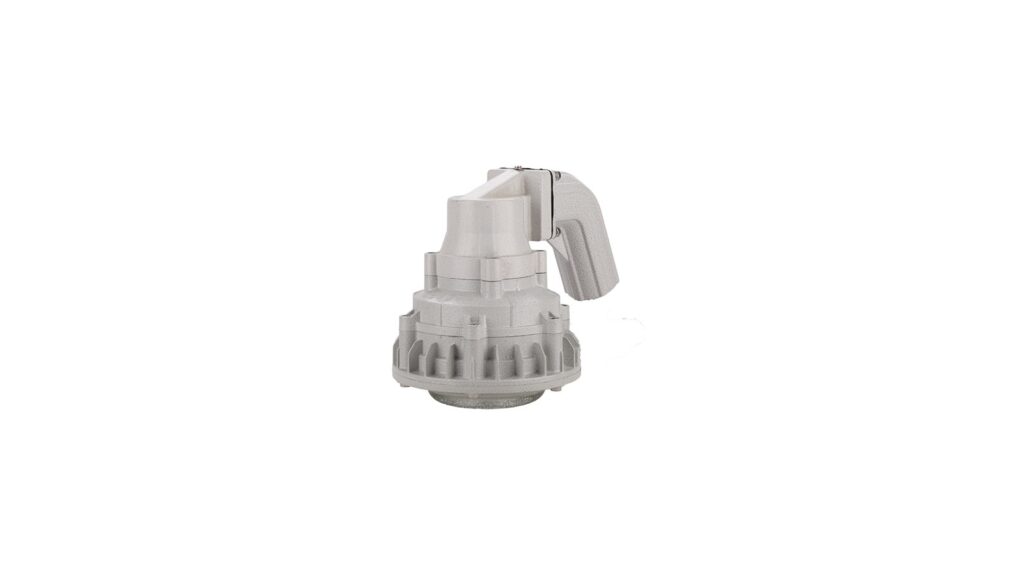
MMAIATEX is the public brand of MMAIATEX Explosion-proof Technology (Zhejiang) Co., Ltd. The About page currently describes ATEX, IECEx and CCC certification as in progress. Publication of these resources does not change or independently verify that status. The representative website product photograph illustrates this article only; it is not evidence of a publishing event, certification or application suitability.
Safety and legal disclaimer
This update and the linked guides provide general educational information. They do not replace applicable legislation, current manufacturer instructions or competent assessment of an actual product and installation. Source jurisdictions and limitations are stated in the individual guides. Do not use a company-news article to authorize work, energise equipment or change a process.
Contact MMAIATEX about a product documentation question
For a MMAIATEX electrical-product enquiry, provide the intended destination, application description and exact question about the offered documentation. Refer to the relevant guide when it helps explain what remains unclear.