
LEL vs UEL: the distinction in one table
OSHA's shipyard definitions describe the lower explosive limit as the lower concentration boundary for flame propagation and the upper explosive limit as the upper boundary. Its explanatory appendix notes that LFL and LEL, and UFL and UEL, are used interchangeably in fire-science literature. Those sources have a shipyard regulatory context; their work-entry provisions must not be turned into universal purchasing rules.
| Term in a document | What it describes | What a buyer must not infer |
|---|---|---|
| LEL or LFL | Lower boundary of the flammable concentration range | That a lower reading establishes overall safety |
| UEL or UFL | Upper boundary of the flammable concentration range | That a fuel-rich atmosphere is an acceptable working condition |
| Flammable range | Concentrations between the relevant lower and upper boundaries | That the range selects an Ex protection method |
| Exposure limit | A separate health-protection criterion | That it can replace a flammability limit |
The practical purchasing distinction is between a property of a mixture and evidence about a product. A control box cannot be approved by comparing its catalogue description with a single LEL value.
Start with the substance record, not a copied number
The current OSHA Safety Data Sheet requirements list lower and upper explosion or flammability limits in Section 9, separately from flash point and autoignition temperature. Section 8 addresses exposure controls and limits. This separation helps explain why a spreadsheet headed only hazard value is inadequate.
Ask the process owner for the applicable safety data sheet and the approved substance description. A trade name alone may not explain which formulation is relevant. Keep the supplier, document revision and product identifier together. If the available document does not provide a value, record that gap and ask the responsible technical reviewer how to proceed.
Do not fill an empty field with a number found for a similarly named solvent. Also avoid combining the lower limit from one document with the upper limit from another without an explained technical basis. A neat pair of figures is not useful if nobody can establish what material they describe.
For the separate distinction between temperature properties, use the flash point and autoignition temperature guide. Keep those properties in their own fields instead of treating them as another way to express concentration.
Keep limits, measurements and display units separate
An enquiry may contain a published substance limit, a screenshot from an instrument and an engineering specification. Label each item by its purpose before comparing them. A percentage without its complete unit and reference basis is an unresolved question, not an approval criterion.
Request the exact instrument display notation and applicable instructions when a gas reading is being supplied as evidence. Do not silently rewrite the notation into the purchasing team's preferred format. If the reference gas, measurement basis or operating context is unclear, refer the question to the instrument specialist.
The gas-detection equipment scope guide addresses the different question of what a detector standard covers. This article does not set an alarm level, convert a displayed reading into permission to work or establish detector suitability.
Do not confuse a flammability statement with a safety decision
OSHA's shipyard explanatory appendix warns that a measurable concentration below a specified fraction of the LEL can still be hazardous, and that toxicity can remain a concern. The same source discusses changing conditions over time. We use those observations to identify the limits of a purchasing document, not to reproduce a site-entry threshold.
An equipment buyer should therefore avoid accepting messages such as below LEL, so standard equipment is acceptable as a completed engineering decision. Ask for the actual approved area-classification and equipment requirement. If the message is only an informal observation, preserve it as such.
HSE's explosive-atmosphere guidance explains that zoning considers the likelihood and persistence of an explosive atmosphere. A concentration figure alone does not answer those questions. Our gas-zone classification guide covers the separate classification terminology.
A document handover that avoids accidental assumptions
The following is an original purchasing checklist, not a statutory form or a test procedure:
- Identify the substance or mixture using the project team's approved description.
- Attach the source document and record its revision, not just the copied limits.
- Preserve the full units, conditions and any stated uncertainty.
- Separate published properties from measurements and equipment requirements.
- List missing or conflicting information as open questions for the responsible reviewer.
- Carry the reviewed equipment specification into the enquiry without inventing a selection decision.
For example, imagine that an equipment request contains a solvent trade name and a screenshot showing an unlabeled percentage. The useful next action is a document query: which formulation, which source and what does the display represent? It is not to select a protection type from the percentage. This is a hypothetical paperwork example, not a MMAIATEX customer case.
Keep the clarification with the quotation record. If the substance description changes later, return the affected assumptions for review instead of assuming the original enquiry remains suitable. Procurement's contribution is traceable information and clearly assigned questions.
Current MMAIATEX certification status
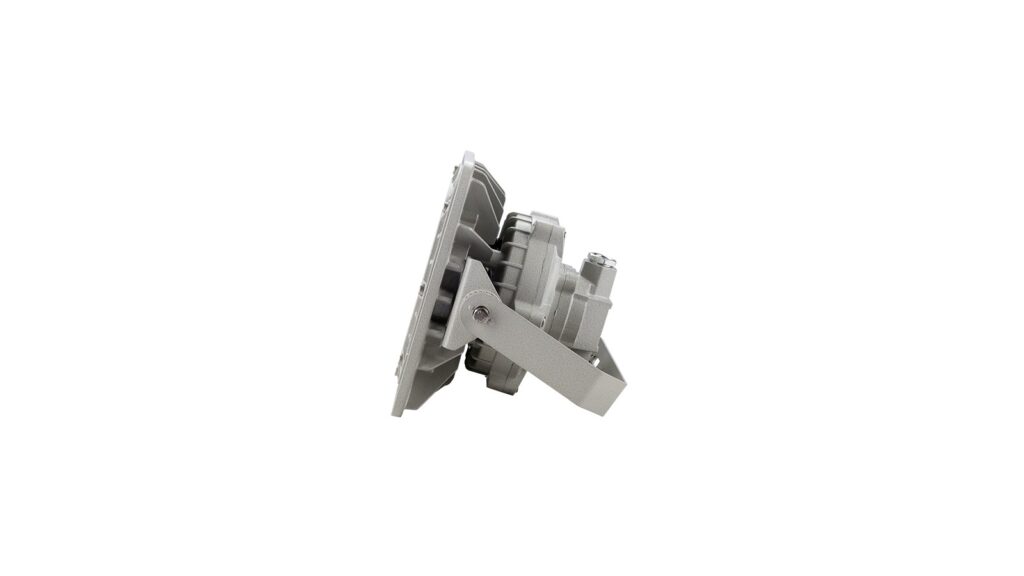
MMAIATEX is the public brand of MMAIATEX Explosion-proof Technology (Zhejiang) Co., Ltd. The About page currently describes ATEX, IECEx and CCC certification as in progress. This article does not establish a certified model, gas-detector range or process-safety assessment service. A representative website product photograph is not evidence of gas-measurement capability or suitability for a particular atmosphere.
Safety and legal disclaimer
This guide supports document review only. It does not calculate mixture limits, classify an area, authorize entry or hot work, prescribe ventilation, set alarms or select equipment. The cited US and GB guidance has jurisdiction-specific context. Use competent specialists, applicable requirements and current manufacturer instructions for an actual installation or safety decision.
Contact MMAIATEX about the documented equipment requirement
For a MMAIATEX electrical-product enquiry, share the destination, approved application description and exact documentation question. Keep atmosphere assessment and work authorization with the responsible site specialists.