IK impact ratings describe a particular protection question
IEC 62262:2002+AMD1:2021 addresses enclosure protection against external mechanical impacts, expressed through the IK code. Its scope applies where the equipment's specific standard establishes such degrees of protection. The IEC catalogue lists the consolidated publication as Edition 1.1, published September 3, 2021. This publication information was checked on the review date.
An impact classification and an explosion-protection assessment therefore address different questions. IEC 60079-0:2026 concerns general construction, testing and marking requirements for Ex equipment and Ex components. An IK entry should not be substituted for the evidence associated with that separate scope.
The following workflow helps buyers organise an impact-rating claim. It is editorial document-review guidance, not a description of a test procedure or a declaration that any MMAIATEX product holds a particular IK rating.
Separate IK, IP and Ex in the specification
A quotation may place several protection claims next to one another. Give each its own field so that the reviewer can see which question a document answers. Avoid a single approval column that combines a mechanical claim, an ingress rating and hazardous-area documentation.
| Evidence heading | Question being addressed | What the buyer should avoid assuming |
|---|---|---|
| IK impact rating | What external mechanical-impact classification is stated? | That it is an Ex certificate or approval |
| IP code | What enclosure protection is stated under the IP framework? | That it establishes an IK classification |
| Ex documentation | What explosion-protection evidence covers the offered item? | That it automatically proves a particular IK code |
| Project review | Does the documented proposal meet the stated application needs? | That a list of ratings is itself an acceptance decision |
IEC 60529 is the separate enclosure-protection standard associated with the IP code. The existing IP66 versus explosion-proof guide covers that subject. This article keeps the emphasis on the mechanical-impact claim rather than repeating the IP classification discussion.
Identify the configuration behind the claim
Start with the exact offered model and its configuration reference. Ask the supplier which document supports the stated IK code and which version of the product that document covers. If the answer refers to a family rather than the quoted item, request the relationship between the two.
Include the enclosure arrangement that matters to the enquiry. For example, the purchasing file can identify the proposed cover, viewing feature, operator arrangement and supplied mounting components without asserting that any one of those features changes a rating. Their relevance is a question for the responsible reviewer, not something to decide from a photograph.
Keep the supplier's explanation together with the relevant drawings. A reviewer should be able to distinguish a claim for a described enclosure from a claim for the specific assembled product being offered. Where the distinction is unresolved, record the uncertainty rather than transferring a rating between configurations.
Ask for a usable evidence reference
Record the document title, issuer, identifier and revision associated with the claim. The useful purchasing question is whether the available information allows the reviewer to identify its scope. This article does not impose a universal requirement that every supplier disclose a complete laboratory report.
If a report or test summary is provided, retain its qualifications and referenced configuration. Do not remove notes merely to make a comparison spreadsheet shorter. Where the document is incomplete or its scope is unclear, list the missing information and ask for a focused explanation.
Keep a distinction between a product datasheet, a supporting test record and a project's own acceptance note. A supplier statement can be recorded as a supplier statement without being presented as an independent laboratory finding. Equally, a technical report should not be described as an Ex certificate just because both documents appear in the same folder.
Compare offers using the same questions
Before comparing two IK claims, check that the offers identify the configurations and evidence bases being compared. A prominent code on one brochure and a qualified statement in another are not automatically equivalent pieces of information.
Use consistent enquiry questions for both suppliers: what item is covered, what reference supports the claim, and what limitations or conditions accompany it? Bring differences to the technical reviewer rather than reducing the comparison to the largest printed number.
If the proposed installation arrangement changes, retain a record of the change and ask whether the evidence package still describes the proposal. The mounting-orientation FAQ addresses the related question of documented positions. It does not establish an IK value, and this impact guide does not authorise a mounting arrangement.
Keep impact evidence connected to the Ex review
For equipment intended for an explosive atmosphere, maintain an identifiable Ex document set alongside the mechanical-impact information. The certificate and ATEX document verification guide explains that separate review. The Ex marking guide helps identify the different parts of the proposed marking.
An impact claim is not permission to use damaged equipment. If the physical condition raises a concern, keep the acceptance question unresolved and refer it through the responsible competent process. Do not strike, drop or otherwise challenge an item informally to see whether a brochure claim appears credible.
HSE's explosive-atmosphere guidance emphasises suitable equipment, inspection, maintenance and competence. Its safety context reinforces why a purchasing record cannot replace the site's equipment assessment or authorise work on an installed item.
Primary sources and reading limits
The cited IEC catalogue records identify their scopes and publication details; they are not substitutes for the complete applicable standards or a product's supporting evidence. No numeric IK energy table, conversion to an Ex impact test or universal site minimum is supplied here. The IEC 62262 base-publication record also links the consolidated edition. A standard's catalogue stability date is not an expiry date for an individual product certificate.
Current MMAIATEX certification status
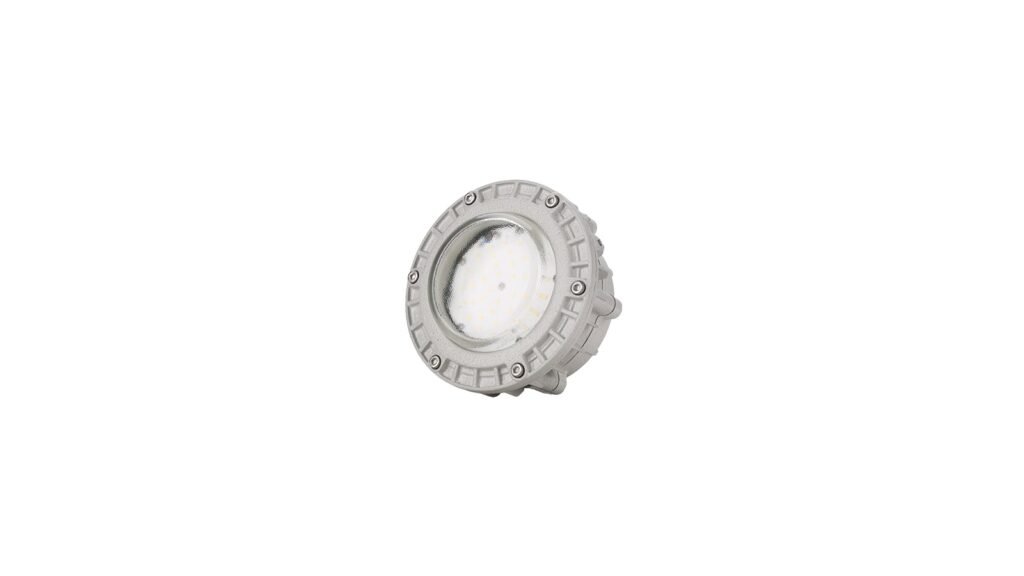
MMAIATEX is the public brand of MMAIATEX Explosion-proof Technology (Zhejiang) Co., Ltd. Its About page currently describes ATEX, IECEx and CCC certification as in progress, as checked on the review date. This is an attributed website statement, not independent verification of a model's current certificate. Confirm exact model marking, certificate scope and current documentation. No IK value is assigned to the representative product image.
Safety and legal disclaimer
This is purchasing information, not a test method, an engineering approval or permission to use equipment after impact. Application requirements and product suitability need competent review under the applicable documents and destination rules. Do not infer safe operation, perform improvised impact testing or alter a configuration based on this guide.
Contact MMAIATEX about impact-rating documentation
For an equipment enquiry, identify the proposed model, configuration and destination market, then state the impact-rating evidence question separately from the Ex documentation question. Contact MMAIATEX.