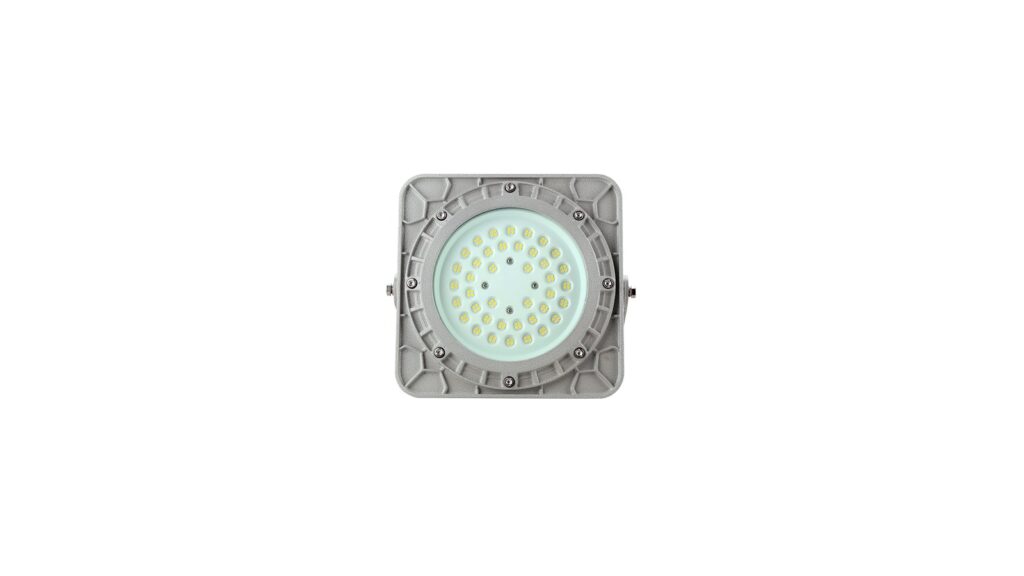
Image note: The representative website product photograph is not a salt mist test specimen record or proof of corrosion performance. Verify exact model marking, certificate scope and current documentation independently.
Salt mist test reports: begin with the method
The IEC 60068-2-52:2017 catalogue describes cyclic salt mist testing for components or equipment intended to withstand salt-laden atmospheres. It notes that salt can affect both metallic and non-metallic parts. The current listing identifies Edition 3.0, published November 7, 2017.
That reference is not interchangeable with every document called a salt spray report. The ISO 9227:2022 scope addresses specified salt spray methods for metallic materials with or without corrosion protection. Its catalogue also lists Amendment 1:2024. Identify the method and version actually stated in the supplier's report before deciding what comparison is possible.
The distinction matters because a large duration printed in a quotation does not identify the test conditions, specimen or evaluation. A purchasing team should first establish what was done and what the resulting evidence is intended to support. This article does not prescribe either standard's test procedure.
Read the report as four connected records
Request the complete relevant report or an adequate controlled extract, together with the supplier's explanation of how it relates to the proposed item. A cover page alone may leave the essential connection unresolved. Keep any limitations attached when distributing the evidence internally.
| Record to identify | Practical review question | Unsupported shortcut to avoid |
|---|---|---|
| Method and issue | Which named method and edition were used? | Treating every salt mist or spray claim as equivalent |
| Specimen description | What exact construction or sample was evaluated? | Assuming a coating coupon represents every assembled product |
| Exposure and observations | What sequence and observations does the report record? | Comparing a headline duration without its context |
| Assessment basis | What criterion was used and who specified it? | Reading the word pass as a universal service approval |
These are suggested purchasing questions, not a mandatory report template copied from a standard. The responsible technical reviewer should decide whether the supplied evidence is adequate for the actual application.
Match the specimen to the offered construction
A report may concern a complete item, a part or a material sample. Ask which description applies. Then request the documented connection to the quotation, including the material and finish references relevant to the claim. If the report uses a different designation, preserve the supplier's explanation instead of silently renaming the specimen.
A useful question is whether the evidence concerns the item as offered or only one feature of it. For example, a surface-treatment report may be relevant without establishing the performance of every other part in an assembly. That is a scope distinction, not a finding that the test was invalid.
If a finish, supplier reference or construction option changes during quotation, flag the change for review. Do not assume that all items sharing a product-family name inherit the same evidence. Avoid making a material-selection decision from an image or from a generic description such as marine grade.
For a broader description of the intended exposure, use the adverse service conditions guide. The present article starts later in that process: it helps organise a particular salt mist report that has been supplied in response to the brief.
Keep test duration separate from predicted life
ISO 9227's public scope explicitly limits what its methods demonstrate: they are not intended to rank different materials' corrosion resistance or predict their long-term corrosion resistance. It also leaves product-specific exposure periods and result interpretation to the appropriate product specifications. A purchasing comparison should respect those limits.
Therefore, do not translate a reported number of test hours into years at a coastal site. Nor should a longer headline number automatically settle a choice between different materials or methods. Ask what claim the report actually supports and what further application evidence the responsible reviewer considers necessary.
Where a supplier makes a separate durability statement, retain its stated basis and limitations as a separate claim. Do not manufacture a relationship between that statement and the salt test merely because they appear in the same catalogue. If the connection is not explained, record it as an open question.
Corrosion evidence and Ex evidence answer different questions
The IEC 60079-0:2026 catalogue describes general construction, testing and marking requirements for Ex equipment and components. A salt mist report, by itself, is not the model-specific explosion-protection documentation required for the proposed equipment.
Keep the relevant Ex marking, certificate scope, instructions and conditions alongside the environmental evidence, with a clear label for the purpose of each record. The certificate-verification guide provides a separate route for checking those documents. Do not use the corrosion report to infer an unlisted protection method or operating limit.
An ingress rating is also a different description. The IP66 versus explosion-protection guide explains why an IP code should not be treated as an Ex certificate. Similarly, neither an IP label nor an Ex label supplies the missing specimen and assessment details of a salt mist claim.
Make the acceptance question visible
Before forwarding the evidence for a decision, write a short summary of what matches the offer and what does not yet match. Identify the report reference, offered configuration, relevant claim and unresolved issue. Name the person responsible for the technical disposition rather than leaving the purchasing file with an unexplained pass label.
At handover, retain the report version and the explanation that supported acceptance. If the item was substituted, retain the revised review too. This creates a traceable purchasing record; it does not replace inspection, maintenance or a competent assessment of equipment already in service.
Source scope and current references
The review-date catalogue records identify IEC 60068-2-52:2017 Edition 3.0, ISO 9227:2022 Edition 5 with Amendment 1:2024, and IEC 60079-0:2026 Edition 8.0. Only their public scope and reading limits are summarised. No laboratory capability, test result, coating performance or model certification is asserted for MMAIATEX.
Current MMAIATEX certification status
MMAIATEX is the public brand of MMAIATEX Explosion-proof Technology (Zhejiang) Co., Ltd. On the review date, its About page describes ATEX, IECEx and CCC certification as in progress. This is an attributed website statement, not independent verification of a product certificate. Check the exact offered model's current documentation before acceptance.
Safety and legal disclaimer
This article is general purchasing information, not a corrosion-life prediction, test instruction, hazardous-area assessment or permission to use damaged equipment. Competent project reviewers must establish the applicable requirements and evaluate the actual construction, environment and evidence. No exposure duration, acceptance threshold or maintenance procedure is prescribed.
Contact MMAIATEX about corrosion-test documentation
Provide the proposed product reference, intended environment and the report or claim you need clarified. Identify whether your question concerns the tested specimen, method or connection to the quotation. Contact MMAIATEX.