
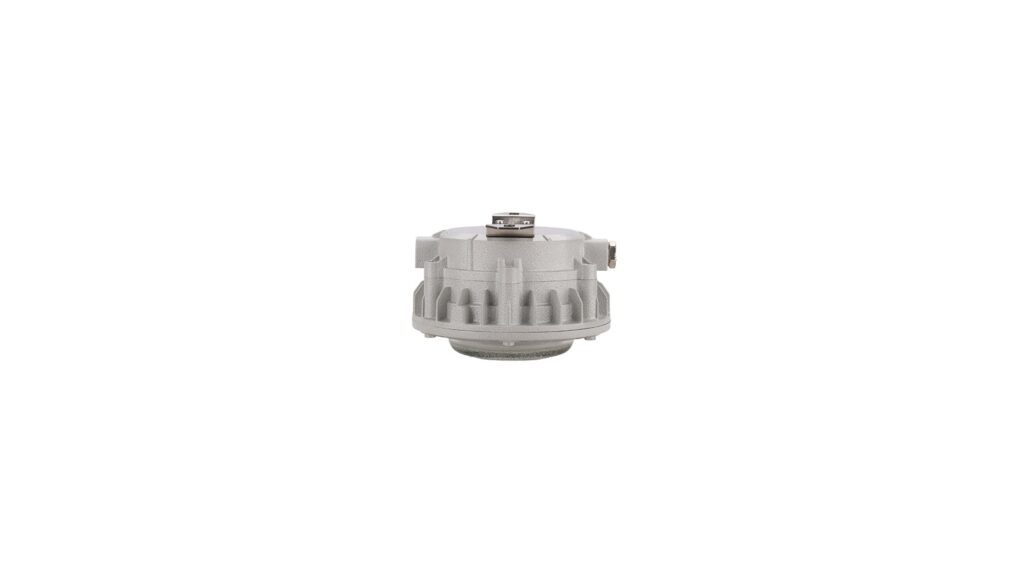
Ex stopping plugs: distinguish the supplied parts
This guide concerns purchasing and receiving checks for unused entries. It does not provide tightening values, drilling instructions or permission to work on installed equipment. Keep the closure item identifiable in the order and the final assembly record.
| Supplied item | Intended role to establish | Buyer evidence to request |
|---|---|---|
| Stopping plug or blanking element | Close an entry that carries no cable | Exact part reference and documented enclosure compatibility |
| Transit cap | Protect an opening during transport or storage | Whether it must be removed before service |
| Cable gland | Accommodate a cable under its specified conditions | Approved cable and entry arrangement |
| Drain or breather | Perform a defined drainage or breathing function | Evidence covering that function and its installation position |
The table identifies different purchasing questions. It is not a compatibility chart and does not authorize substitution between these items.
1. Why does an unused entry require attention?
It is still an opening in the equipment boundary. Leaving it unresolved can undermine the protection arrangement the enclosure was intended to provide. IECEx's 2024 installation conference presentation, section 8.3.4, discusses closing unused openings with protection-appropriate elements. Use that educational discussion to identify the issue, then have the responsible specialist apply the relevant current requirements and product instructions.
2. Can a plastic shipping cap remain in service?
Not merely because it arrived fitted to the equipment. Ask the supplier to identify the part and state whether it is a transport closure or an operating component. Plastic is not itself proof of unsuitability, just as metal is not proof of approval. Record the answer against the specific entry rather than assuming every cap in the delivery has the same status.
3. Is a stopping plug the same as an empty cable gland?
No. A gland intended to accommodate a cable should not be treated as an approved empty-entry closure without documentation covering that configuration. The practical purchasing question is what part closes each unused opening in the delivered arrangement. For entries that will actually carry cables, use the separate cable gland selection guide instead of transferring a closure decision to a different function.
4. Can one plug be used with every Ex enclosure?
Do not assume so. Protection types and permitted arrangements differ. IECEx's 2024 presentation treats entry devices and blanking elements by protection technique in section 7.5.1. A buyer should therefore request evidence for the actual enclosure and accessory combination, including gas or dust requirements where relevant. A broad catalogue heading such as "explosion-proof accessories" does not answer that compatibility question.
5. Is nominal thread size enough to place the order?
No. Obtain the complete entry designation from a controlled drawing or other verified equipment document. Ask the supplier to match the proposed closure to that record, including any specified sealing or retention arrangement. Do not infer compatibility from a photograph or a trial fit. Our entry thread compatibility guide explains the information needed without making this FAQ a second thread-selection manual.
6. Does a high IP rating settle the Ex requirement?
No. Resistance to ingress and explosion protection answer different questions. Both may matter for the supplied assembly, but neither should be substituted for the other in the purchase specification. State the environmental requirement alongside the relevant protection information and request evidence addressing both. See IP66 versus explosion protection for the underlying distinction; a product image cannot establish either rating.
7. May an adapter be added when the ordered plug does not fit?
Treat that as a proposed configuration change, not an automatic purchasing correction. Ask for written confirmation that the exact arrangement is permitted by the applicable documents before accepting it. Include the enclosure, adapter and closure references together in the review. This FAQ does not authorize adapter combinations, thread conversion, additional machining or any particular engagement length.
8. Can a drain or breather replace a stopping plug?
Not simply because it occupies the same opening. A closure and a device intended to pass air or drain moisture have different functions. Ask the responsible reviewer whether a functional device is required and whether its evidence covers the proposed equipment arrangement and position. A need to manage condensation is a design question, not permission to substitute an accessory selected only by size.
9. Which documents should accompany a proposed closure?
Request the exact part identity, relevant marking and certification evidence where applicable, instructions, permitted configurations and any conditions or limitations. Also retain the enclosure document that makes the pairing reviewable. IEC 60079-0:2026 covers general construction, testing and marking requirements for Ex equipment and components. Merely mentioning that standard in a quotation does not prove that the offered item conforms.
10. What should the receiving record show?
It should connect the delivered item to the approved order and entry schedule. Record part identification, quantities, document revisions and visible damage or discrepancies without dismantling installed equipment. Identify temporary closures separately from those accepted for service. If identification is missing or a different item arrives, keep the acceptance question open and ask the supplier for a documented resolution before release to the installation team.
11. What if an entry is reserved for a future cable?
Record its present closure requirement separately from the possible future cable arrangement. A later modification will need its own review; reserving an opening does not approve that future work today. Preserve the original configuration record so the installer can see what was supplied and what is changing. Do not remove a closure in advance of authorized work merely to make the future connection easier.
12. Who decides whether the completed arrangement is acceptable?
The competent people responsible for the equipment and installation must resolve that decision using the applicable requirements and current documentation. Procurement supports them with traceable evidence, not an independent approval based on this checklist. IEC 60079-14:2024, Edition 6.0 published August 30, 2024, covers electrical installation design, selection, installation and initial inspection, including documentation and personnel competency.
Source note and review limits
The IEC publication records were checked on the review date. The IECEx conference material is a dated educational source, not a substitute for the full applicable standard or equipment instructions. Its exceptions and protection-specific details should not be generalized from a short FAQ. HSE guidance also emphasizes risk assessment and specially designed equipment for potentially explosive atmospheres.
Current MMAIATEX certification status
MMAIATEX is the public brand of MMAIATEX Explosion-proof Technology (Zhejiang) Co., Ltd. The current About page describes ATEX, IECEx and CCC certification as in progress. This is an attributed company statement, not independent verification of a product certificate. This article does not announce a certified stopping-plug range. Representative website photography does not establish the approval or compatibility of any accessory.
Safety and legal disclaimer
This is general purchasing information, not installation instructions, a conformity assessment or legal advice. Do not open, alter or energise hazardous-area equipment on the basis of this article. Follow applicable local requirements, competent supervision, site work controls and the exact product documentation.
Contact MMAIATEX about unused enclosure entries
For an equipment enquiry, provide the enclosure reference, entry schedule and the documentation question to be resolved. Ask whether evidence is available for the proposed supplied arrangement.